Author: Dr. Abdalla Galaleldeen |
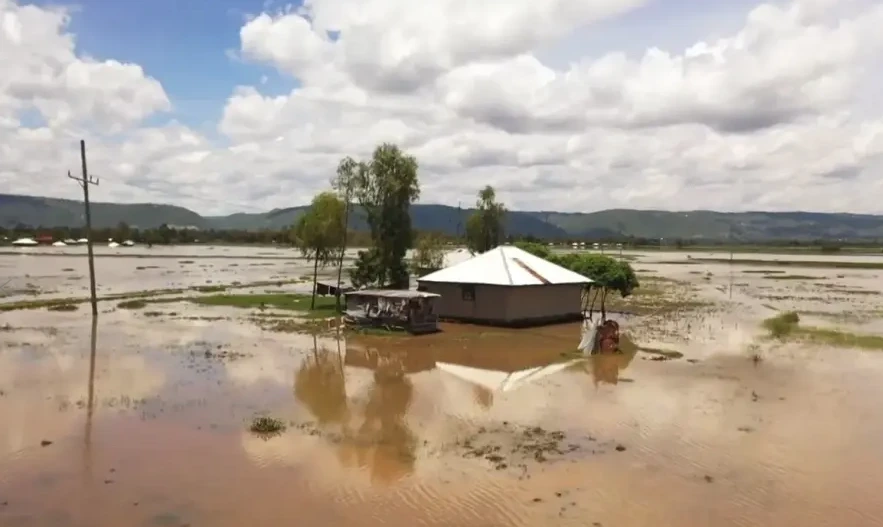
Malawi is facing a complex hydro-meteorological crisis as a result of several consecutive days of heavy and persistent rainfall, leading to flash floods and widespread inundation across multiple regions of the country. According to preliminary reports issued on Thursday, 19 March 2026, by the Department of Disaster Management Affairs (DoDMA), the disaster has resulted in at least 13 fatalities and 35 injuries. In addition, approximately 9,598 households (equivalent to around 43,000 individuals) have been affected across 16 local councils, with 12 temporary displacement sites established in six councils.
These developments occur within the context of chronic structural vulnerability in Malawi. The national economy relies heavily on rain-fed agriculture, making rural communities highly susceptible to climate shocks. The increasing recurrence of flood events in recent years reflects escalating risks associated with climate change. These phenomena are no longer isolated, short-term emergencies, but rather evolving into protracted crises with medium- and long-term impacts. The floods have caused extensive damage to crops and livestock losses, further straining livelihoods and posing a direct threat to food security, particularly given the country’s heavy dependence on seasonal agricultural production.
Humanitarian Needs Analysis by Key Sectors
1. Shelter and Non-Food Items (NFI)
- Displacement of thousands of households and the establishment of 12 temporary shelters.
- Urgent need for emergency shelter materials (tents, plastic sheeting, blankets, basic household items, and temporary construction materials).
2. Food Security and Livelihoods (FSL)
- Widespread destruction of crops and livestock.
- ncreased risk of acute food insecurity.
- Immediate food assistance is required, alongside Cash-for-Work programs and support for the rehabilitation of agricultural livelihoods.
3. Water, Sanitation and Hygiene (WASH)
- Contamination of water sources and damage to sanitation infrastructure.
- High risk of waterborne diseases (such as cholera and acute diarrhea).
- Need to provide safe drinking water, temporary sanitation facilities, hygiene kits, and intensive awareness campaigns.
4. Health
- Direct injuries and fatalities caused by the floods.
- Risk of disease outbreaks due to overcrowding and poor sanitary conditions.
- Additional pressure on an already fragile health system, requiring strengthened emergency and preventive healthcare services.
5. Protection
- Increased risk of gender-based violence (GBV) in displacement sites.
- Specific needs of vulnerable groups (children, women, the elderly, and persons with disabilities).
- The necessity of applying the “Do No Harm” principle and strengthening community-based protection mechanisms.
- Current Humanitarian Response and Future Needs
The Government of Malawi, through the Department of Disaster Management Affairs, has initiated search and rescue operations, established temporary shelters, and begun distributing initial relief assistance. It has also issued an urgent appeal to local and international partners for financial and technical support. This reflects the activation of conventional humanitarian coordination mechanisms (Cluster System), with potential involvement from organizations such as the Red Cross, the United Nations, and international relief agencies.
However, the response remains in its initial emergency phase and requires rapid scaling up toward a multi-sectoral response based on timely and accurate rapid needs assessments.
Key Operational Challenges
- Limited local capacity and heavy reliance on external funding.
- Humanitarian access constraints due to damaged roads and bridges and the isolation of rural areas.
- Funding gaps that threaten to limit the scope and speed of the response.
- Secondary risks such as continued rainfall, disease outbreaks, and deteriorating conditions.
- Coordination challenges among multiple actors, increasing the risk of overlap and duplication.
The recent floods in Malawi represent a typical case of natural hazards evolving into complex humanitarian disasters due to structural vulnerability and the intensification of climate-related risks. Despite the initiation of governmental and international responses, the scale and complexity of needs require a coordinated, rapid, and sustained humanitarian intervention - one that goes beyond immediate relief toward strengthening community resilience and fundamentally reducing future disaster risks.