Skip to Content
Relief Center
  • Home
  • Countries
    Loading...
  • Emergencies
  • Our Programs
    • Monitoring and Analysis
    • Knowledge Hub
    • Relief Coordination
    • Capacity Building
    • Social Interaction
  • Newsletter
  • Subscribe
  • About
  • 0
  • 0
  • الْعَرَبيّة English
  • Sign in
Relief Center
  • 0
  • 0
    • Home
    • Countries
    • Emergencies
    • Our Programs
      • Monitoring and Analysis
      • Knowledge Hub
      • Relief Coordination
      • Capacity Building
      • Social Interaction
    • Newsletter
    • Subscribe
    • About
  • الْعَرَبيّة English
  • Sign in

Integrated Humanitarian Response Platform

Relief Center delivers a cutting-edge approach to monitoring and analysis by merging real-time crisis tracking with advanced, AI-powered analytics. Through continuous field inputs and dynamic data interpretation, the Center provides accurate, timely insights that enhance humanitarian decision-making. This model moves beyond traditional desk-based assessments, offering a responsive and context-driven understanding of crises. The result is faster coordination, sharper situational awareness, and more effective humanitarian action at every level.

Monitoring and Analysis

Humanitarian Emergencies

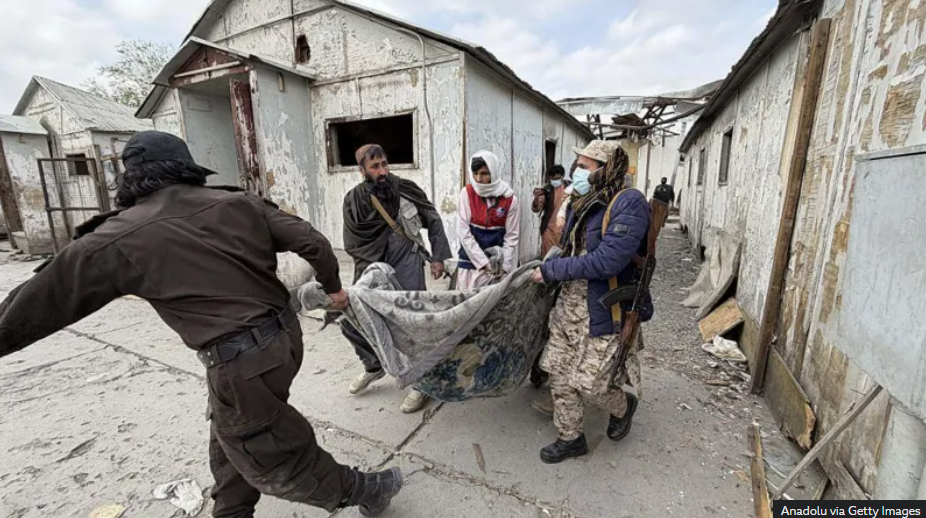
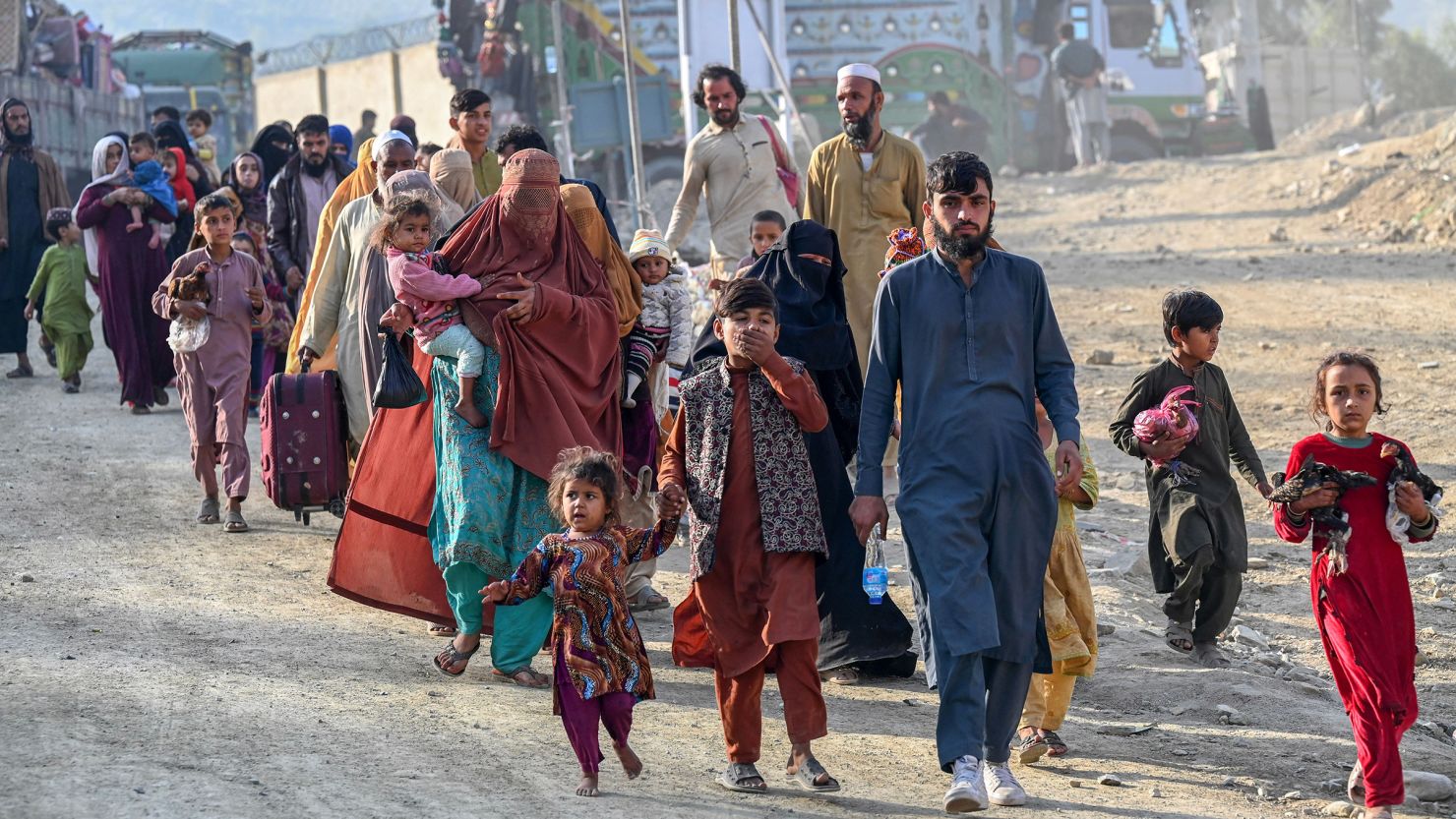
Weeks After the Herat Earthquakes, Thousands Still Homeless Amid Severe Shortages of Food and Water

Weeks After the Herat Earthquakes, Thousands Still Homeless Amid Severe Shortages of Food and Water

Learn More
Severe Food Shortage Hits Gaza, Threatening Thousands of Families amid Humanitarian Collapse

Severe Food Shortage Hits Gaza, Threatening Thousands of Families amid Humanitarian Collapse

Learn More
Heavy Rain Floods Displacement Tents in Gaza, Deepening the Suffering of More Than 1.9 Million People

Heavy Rain Floods Displacement Tents in Gaza, Deepening the Suffering of More Than 1.9 Million People

Learn More
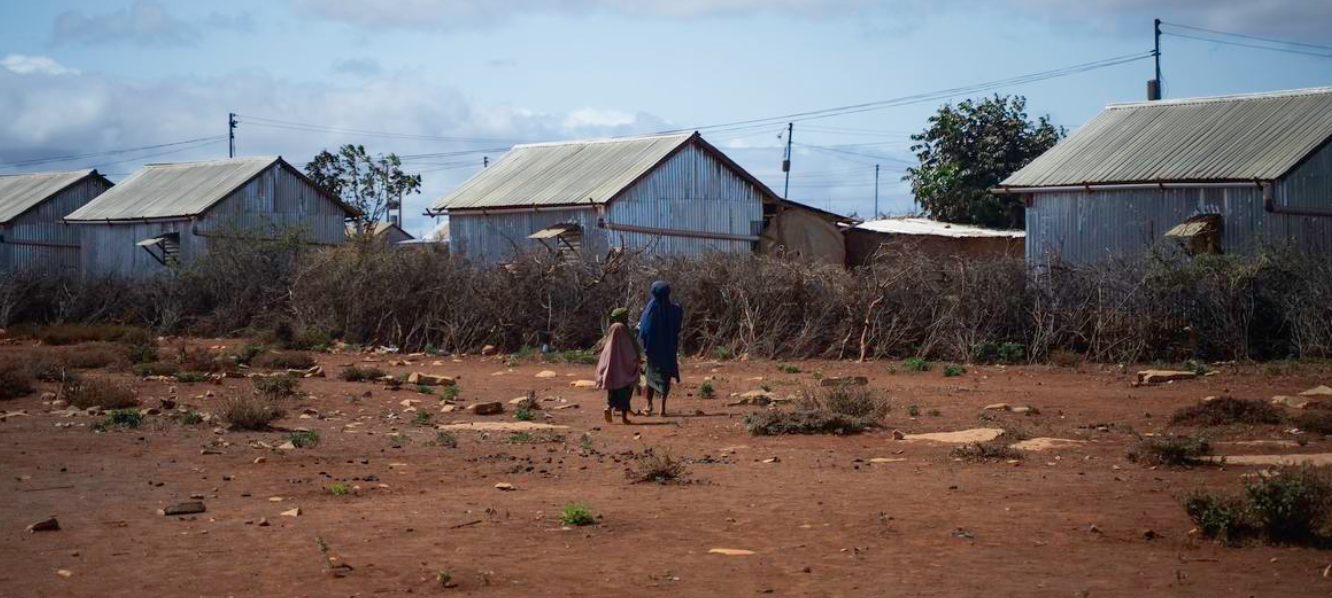
Somalia: 4.4 million people at risk of acute hunger amid national emergency declaration

Somalia: 4.4 million people at risk of acute hunger amid national emergency declaration

Learn More
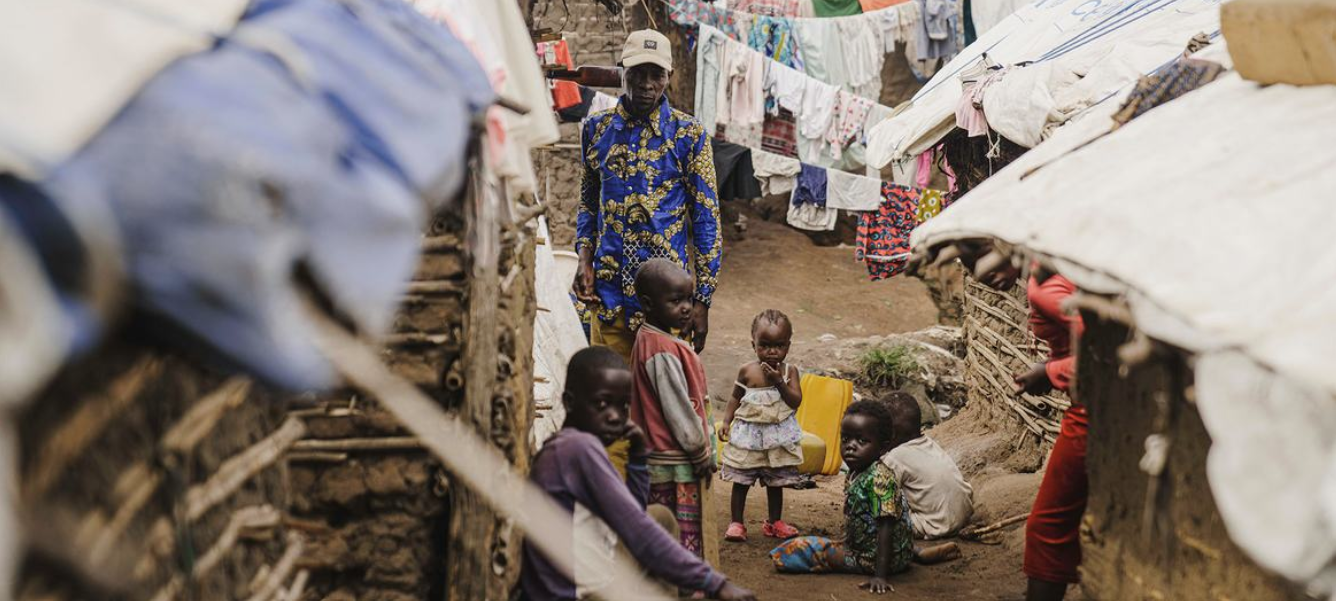
Syria: Nearly 17 million people in urgent need amid increasing returns of refugees and IDPs

Syria: Nearly 17 million people in urgent need amid increasing returns of refugees and IDPs

Learn More
Powerful Earthquake Strikes Western Afghanistan, Leaving Widespread Destruction and Thousands Affected

Powerful Earthquake Strikes Western Afghanistan, Leaving Widespread Destruction and Thousands Affected

Learn More
Widespread Flooding Hits Yemen, Affecting Over Half a Million People Amid Escalating Climate Risks

Widespread Flooding Hits Yemen, Affecting Over Half a Million People Amid Escalating Climate Risks

Learn More
Two Years of Devastating War in Gaza Before the Latest Ceasefire, Leaving Massive Casualties, Destruction, and Displacement

Two Years of Devastating War in Gaza Before the Latest Ceasefire, Leaving Massive Casualties, Destruction, and Displacement

Learn More
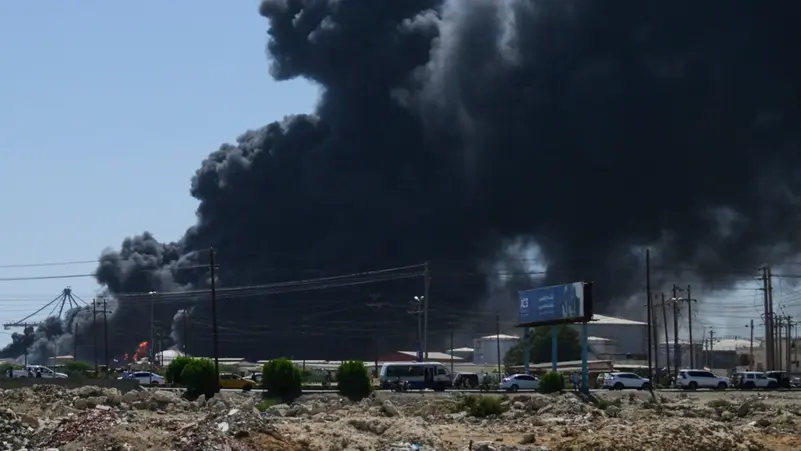
Deadly Escalation Hits El Fasher, Darfur – October

Deadly Escalation Hits El Fasher, Darfur – October

Learn More

News Overview

Escalating Winter Crisis in Gaza and Darfur: Urgent Humanitarian Needs Threaten Millions

Escalating Crises and Global Developments

In an Unprecedented Qatari Humanitarian Initiative for Gaza: “Taqat” Leads the Logistics Execution of the 75,000-Tent Relief Project in Coordination with Qatar Charity

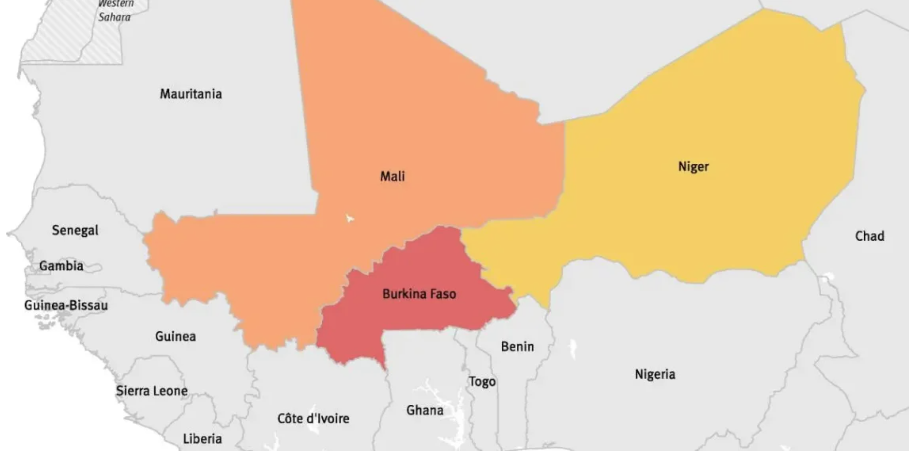
Severe Drought Pushes the Horn of Africa to Its Most Critical Turning Point in Six Decades: Millions Face Hunger in Kenya, Somalia, and Ethiopia

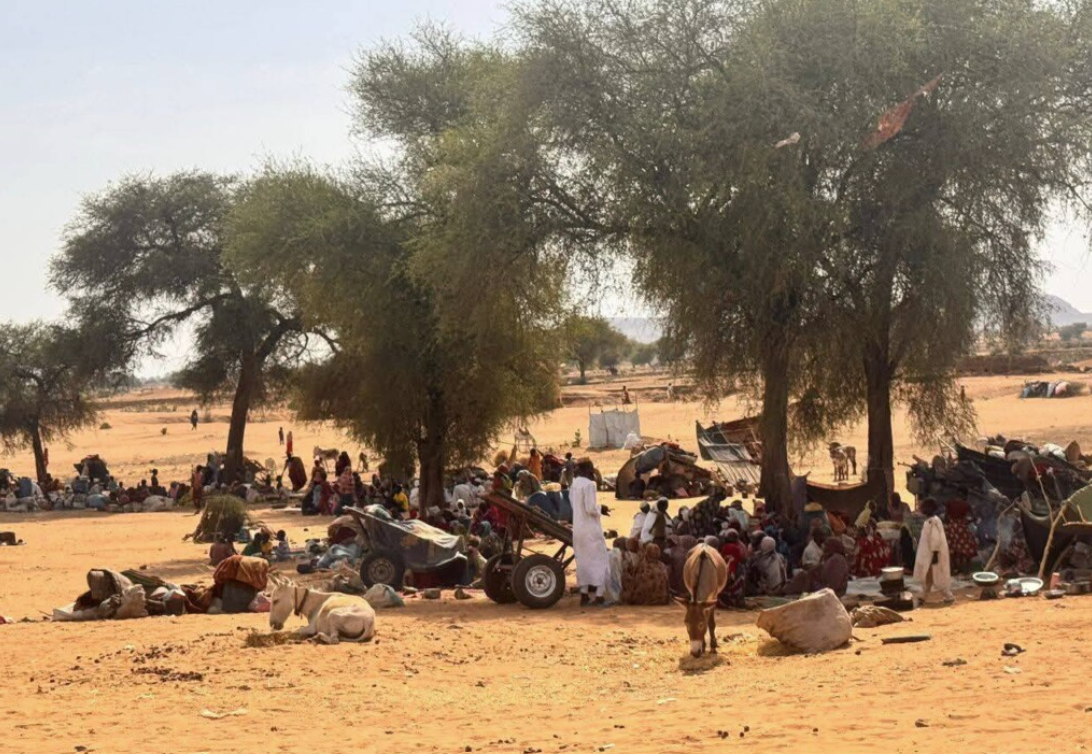
Escalating Winter Crisis in Gaza and Darfur: Urgent Humanitarian Needs Threaten Millions

As winter begins, the humanitarian crises in Gaza and Darfur are escalating to alarming levels, with affected communities entering the cold season in extremely fragile conditions and facing severe gaps in shelter, food, winter clothing, and essential services. The combined impact of conflict, displacement, destruction, and harsh weather makes this winter a direct threat to life—particularly for the most vulnerable. Gaza – Palestine: Winter Above the Rubble and Renewed Waves of Displacement The Gaza Strip continues to face a rapidly deteriorating humanitarian situation for the second consecutive winter. Hundreds of thousands of families are living in worn-out tents or makeshift shelters offering minimal protection. Early winter rains caused significant flooding across several displacement sites, collapsing tents, soaking sleeping areas, damaging food stocks, and creating stagnant water that heightens the risk of disease outbreaks. Tens of thousands of children are enduring freezing nights without adequate blankets, while families rely on unsafe heating methods that pose risks of suffocation and fire. Severe restrictions on aid entry have led to critical shortages of weather-resistant tents, thermal blankets, winter clothing, and hygiene kits, alongside deteriorating access to clean water and sanitation. Darfur – Sudan: Massive Displacement and a Winter That Exposes Extreme Vulnerability In Darfur, large-scale displacement coincides with cold nighttime temperatures, intensifying the suffering of already vulnerable populations. Hundreds of thousands of displaced people are living in open areas or torn shelters that offer no protection from wind and cold. Field reports indicate rapid depletion of blankets, shelter materials, and essential health supplies, while humanitarian convoys face severe security constraints that hinder access to the most affected areas, particularly in North and Central Darfur. Respiratory infections are rising sharply among children and the elderly as health systems collapse and emergency care remains extremely limited. A Winter on the Brink of Humanitarian Catastrophe The situations in Gaza and Darfur reveal a consistent pattern: communities shattered by conflict, collapsed infrastructure, and continuous displacement entering winter completely unprepared. The widening gap between needs and response capacity increases the likelihood of deaths caused by cold exposure, malnutrition, and seasonal illnesses. The most urgent winterization needs include: • Weather-resistant tents and storm-proof shelter materials • Thermal blankets and adequate winter clothing • Ready-to-eat food supplies • Safe heating options • Clean water and hygiene items • Emergency care for respiratory illnesses • Psychosocial support for the most vulnerable Humanitarian workers warn that any delay in winter assistance will lead to a new wave of suffering with long-term consequences. In contexts stripped of coping capacity, shelter, warmth, and food are life-saving necessities—not seasonal conveniences. Despite the clarity of the threat, the international response remains painfully slow. Between a flooded tent in Gaza and a shivering child in Darfur lies a profound gap between humanitarian rhetoric and actual protection for those most at risk. How can the world welcome another winter while so many face its cold without shelter, without blankets, and without even the safety of a closed door? Delays in winter response are not administrative failures—they are moral failures that deepen suffering and heighten global responsibility. Relief Center affirms that the winter situation in Gaza and Darfur represents a critical turning point requiring rapid, coordinated, and comprehensive humanitarian action. The Center calls on all humanitarian partners and donors to accelerate the delivery of essential winter supplies, enhance coordination, and strengthen the capacities of local organizations as the first line of response. Relief Center stresses that winter protection is not a seasonal task but a shared humanitarian responsibility, and that effective response must be grounded in field-driven knowledge, preparedness, equitable distribution, and data-informed decision-making to ensure assistance reaches those most in need before time runs out.

Learn More

Escalating Crises and Global Developments

The global humanitarian landscape in late 2025 is marked by a convergence of political, economic, and climate-related pressures that are driving needs to unprecedented levels. Protracted conflicts, coupled with recurrent climatic shocks, continue to fuel large-scale displacement and acute food insecurity across multiple regions, contributing to the largest humanitarian funding gap recorded in over a decade. In Sub-Saharan Africa, the European Commission’s allocation of an additional €143 million reflects the severity of deteriorating food security conditions, expanding conflict dynamics, and increasingly restricted humanitarian access. Concurrently, the World Food Programme warns that significant ration cuts—driven by declining donor contributions—are pushing thousands of households into severe hunger, exposing critical vulnerabilities in global humanitarian supply chains. At the same time, the sector is undergoing structural shifts that threaten the sustainability of essential humanitarian operations. The International Committee of the Red Cross’ decision to reduce its budget by 17% and cut approximately 2,900 positions—the largest downsizing in its history—illustrates the scale of donor fatigue affecting major humanitarian actors. This contraction is reshaping operational realities across crisis settings, increasing reliance on local organizations that operate with limited resources and under highly complex conditions. The widening gap between rising needs and constrained operational capacity underscores an urgent requirement to strengthen national and local systems, enhance preparedness, and build response capabilities grounded in contextual knowledge. These global trends are further compounded by the intensification of climate-driven emergencies. Extreme weather events—including floods, droughts, and storms—are occurring with greater frequency and severity, generating multi-layered crises characterized by livelihood collapse, disrupted markets, deteriorating services, and weakened social protection mechanisms. The intersection of climatic shocks and conflict dynamics is prolonging and deepening humanitarian crises, rendering traditional short-term response models insufficient. This environment demands long-term recovery approaches that prioritize resilience, alongside advanced data systems capable of providing real-time insights to guide targeted and timely interventions. In light of these developments, Relief Center underscores the need for a more integrated and data-driven humanitarian architecture—one that leverages digital platforms, early-warning systems, and coordinated decision-support mechanisms to bridge gaps across local, national, and international levels. The Center affirms that localized response, field-driven knowledge generation, and evidence-based decision-making are now essential pillars for effective humanitarian action in an era defined by rapid shifts, operational uncertainty, and escalating global risks.

Learn More

In an Unprecedented Qatari Humanitarian Initiative for Gaza: “Taqat” Leads the Logistics Execution of the 75,000-Tent Relief Project in Coordination with Qatar Charity

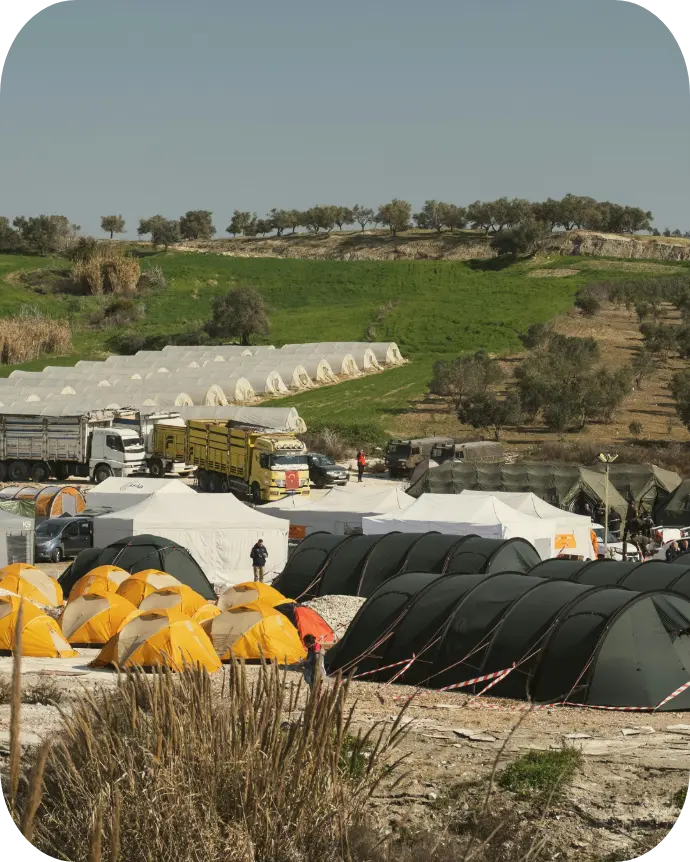
In a historic relief effort reflecting Qatar’s unwavering commitment to supporting the Palestinian people in Gaza, a major humanitarian shipment comprising 29,200 emergency shelter tents arrived at East Port Said in Egypt as part of a broader Qatari initiative to deliver 75,000 tents to displaced families in the Gaza Strip. This large-scale operation marks one of the most comprehensive shelter interventions launched for Gaza since the onset of the crisis. According to the logistical arrangements announced, the shipment will be transported via the land corridor connecting Port Said and Al-Arish before entering Gaza through the Rafah crossing, where humanitarian teams on the ground will be responsible for distributing the tents to families who lost their homes amid the extensive destruction. The initiative comes as Gaza faces one of the most severe humanitarian emergencies in its history, with hundreds of thousands of civilians displaced and the winter season intensifying the hardships of already vulnerable communities. This relief shipment is the result of broad Qatari coordination involving Qatar Charity, the Qatar Fund for Development (QFFD), and the Qatar Red Crescent Society (QRCS), in cooperation with the Ministries of Foreign Affairs in Qatar and Egypt and the Egyptian Red Crescent. The operation forms part of what has become known as the “Qatari Humanitarian Sea Bridge”, a series of continuous aid shipments delivering food, medical supplies, and shelter assistance since the early months of the crisis. A central element of this initiative is the leading logistical role of Taqat, one of Qatar’s prominent companies specializing in humanitarian support and emergency response. Taqat has taken on the execution of the entire logistical chain for the 75,000-tent project, including maritime shipping, ground coordination, cross-border procedures, and operational preparation to ensure the successful and timely arrival of aid to Gaza. Through its accumulated expertise in logistics planning, supply-chain management, and field operations, Taqat has worked closely with humanitarian partners to overcome the complex on-the-ground challenges that accompany high-volume emergency operations. Taqat’s role has been instrumental in ensuring the seamless movement of the shipments—from preparation at Qatari ports, to inspections and coordination at border points, and onward to distribution hubs inside Gaza. This model demonstrates how private-sector capabilities in Qatar can significantly strengthen national and international humanitarian efforts. This sustained Qatari initiative reaffirms Doha’s pivotal role in supporting the people of Gaza during one of the most difficult periods in the strip’s history. It also underscores Qatar’s firm commitment to coordinated humanitarian action and to delivering life-saving assistance to hundreds of thousands of people who have been left without shelter or basic necessities in the midst of an escalating humanitarian crisis.

Learn More
View More

Stay Close to The Event Wherever You Are, and Be The First to Know What Is Happening on The Ground

The Relief Center subscription gives you instant access to verified news, in-depth analyses, field images, and essential resources for response in disaster-affected areas — all in real time, through a single platform that brings together accuracy, speed, and clear insight.

Humanitarian item 1

Stay informed and connected to humanitarian developments wherever you are. Through the Relief Center subscription, you gain real-time access to verified updates, analytical insights, field visuals, and essential response resources from disaster-affected areas — all consolidated in one platform designed to support timely, accurate, and people-centered humanitarian action.
Humanitarian item 1

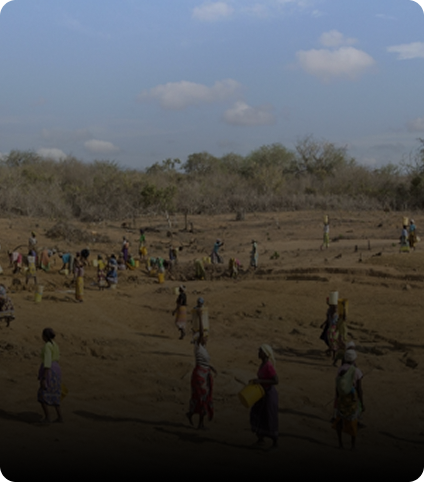
More than 80% of humanitarian decisions become more effective when they are guided by accurate, timely data. At the Relief Center, data is placed at the core of relief work— enabling faster response, sharper decision-making, and stronger, more resilient communities.

Humanitarian item 1

At the Relief Center, we enhance the effectiveness of relief work through capacity development and community participation. We strengthen the preparedness of humanitarian actors and enable communities to voice their needs, ensuring responses that are more accurate and aligned with on-the-ground realities.
Humanitarian item 1

Effective relief begins with strong partnerships. At the Relief Center, we strengthen collaboration among humanitarian actors through a coordination ecosystem that brings together knowledge, expertise, technology, and field insight — enabling faster, more efficient, and more context-aligned response efforts.

Our Partners

Qatar Charity
Taqat
Emdad
Tayf
Edamah

Watch Our Journey

An integrated humanitarian system that sees beyond the event This video takes you on a brief journey into the heart of the scene, where data becomes knowledge, knowledge drives action, and action turns into field implementation — guided by a response that is both fast and precise

Your browser does not support the video tag.

My Voice Will Be Heard

Pre-Designed Projects, Absent Contexts - مشاريع جاهزة... وسياقات غائبة

For discussing experiences of Implementing ready-made projects with little regard for local context.

-

لمناقشة تجارب تنفيذ مشاريع مصممة مسبقًا دون مراعاة خصوصية السياق المحلي

Administrator
Learn More

Impact Beyond Numbers - أثر لا يُقاس بالأرقام

We Adjust in Silence To share cases where local organizations had to adapt implementation silently, without formal acknowledgment..

-

لعرض حالات اضطرت فيها المنظمات المحلية لتكييف التنفيذ بصمت دون الاعتراف بذلك رسميًا

Administrator
Learn More

Our Distinguished Programs

Our continuous relief efforts bring hope to the darkest corners of disasters. From the immediate response to emergency situations to long -term recovery, we are in every step on the road, to ensure that no one will face the disaster alone.

Monitoring and Analysis

Monitoring and Analysis

Through developing digital systems for real-time crisis monitoring and data analysis using artificial intelligence, contributing to early warnings and producing analytical reports that support fast and accurate decision-making processes.

Discover More

Knowledge Hub

Knowledge Hub

Through preparing specialized reports, field studies, quantitative and qualitative analyses, and developing practical guides and supportive knowledge tools built on reality to help humanitarian actors in planning and evaluation effectively.

Discover More

Relief Coordination

Relief Coordination

By providing immediate communication and coordination mechanisms among humanitarian organizations, enabling the linkage between different interventions, and tracking activities and contributions to ensure the integration of efforts and reduce gaps and duplication in fieldwork.

Discover More

Social Interaction

Social Interaction

By establishing participatory platforms that allow communities and stakeholders to share expertise, record field experiences, and take part in evaluating interventions—strengthening community accountability and expanding the collective knowledge within the relief sector. Do you like this personality?

Discover More

Capacity Building

Capacity Building

By delivering both online and field training programs based on international standards, targeting individuals and local organizations, with the aim of developing their skills in monitoring, analysis, and effective management of relief interventions.

Discover More

Taqat’s Development and Humanitarian Programs: Emdad, Edama, and the Relief Center

Relief Center program
Relief Center Logo

Relief Center Program

An integrated humanitarian system built on a digital platform structured ...

Learn More

Relief Center program
Relief Center Logo

Edama Program

A specialized program for supplying and implementing relief and development ...

Learn More

Relief Center program
Relief Center Logo

Emdad Program

A program focused on implementing development projects ...

Learn More
Loading...

loading .....

Relief Center
  • Home
  • About Us
  • Join Us
  • Contact Us

Services

  • Monitoring and Analysis
  • Knowledge Hub
  • Relief Coordination
  • Capacity Building
  • Social Interaction
  • Email info@reliefcenter.com
  • Phone Number +974 7078 0863

Last Updated February 2026

© 2026 Relief Center. All Rights Reserved