Author: Abdalla Galaleldeen |
Juba is experiencing a severe wave of flooding following exceptionally heavy and unprecedented rainfall. Water levels have risen rapidly across low-lying areas, leading to widespread inundation of homes and already fragile infrastructure. These developments are unfolding within the context of a broader, protracted flood crisis across South Sudan. Humanitarian estimates indicate that more than 1.35 million people have been affected, with approximately 375,000 displaced since the peak of the floods in late 2025, and impacts continuing well into 2026.
In a stark illustration of the scale of the humanitarian emergency, a mother and her young child were forced to seek refuge on the rooftop of a house as a last resort to escape rising waters, amid a complete lack of safe or elevated areas within the affected neighborhoods. This scene reflects a recurring reality in vulnerable urban settings that lack the infrastructure needed to absorb and withstand climate shocks.
The severity of the disaster has been compounded by the overflow of the “Rakouba” drainage system, pointing to structural deficiencies in urban water management. This significantly increases the likelihood of recurring crises with each rainy season - particularly as rainfall levels have exceeded historical averages in recent years. Eyewitnesses report a rapidly deteriorating humanitarian situation, with growing concerns over waterborne disease outbreaks and a critical shortage of essential services.
Disaster Classification
This situation falls under hydrological natural hazards (urban flooding) and forms part of a wider crisis affecting multiple states, particularly river basins and low-lying areas. It requires a multi-sectoral humanitarian response, given its direct impact on:
Shelter
Water, sanitation, and hygiene (WASH)
Public health
Food security
Needs-Based Humanitarian Response
In line with international humanitarian standards (such as the Sphere Standards), and given the scale of the crisis affecting over 1.35 million people, the response should be guided by the following priorities:
Emergency Shelter
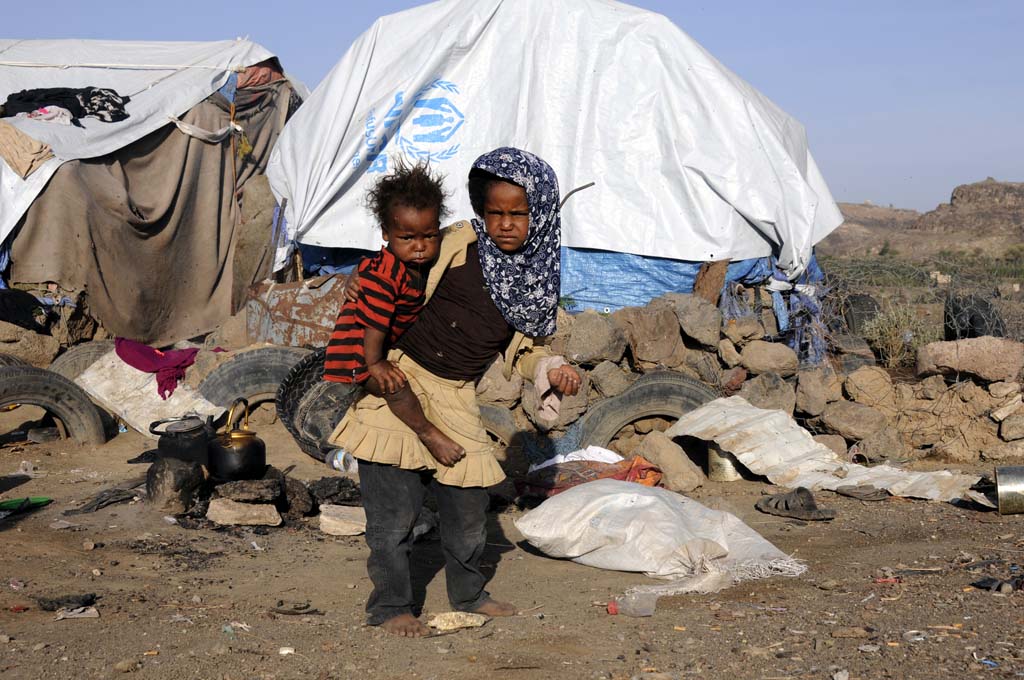
Establish temporary shelters in safe, elevated areas to accommodate thousands of displaced people.
Distribute essential non-food items (including blankets, tarpaulins, and sleeping materials) to families who have lost their homes.
Support transitional shelter solutions, prioritizing the most vulnerable households.
Water, Sanitation, and Hygiene (WASH)
Ensure access to safe drinking water, particularly in light of contamination caused by floodwaters.
Install temporary sanitation facilities to reduce environmental and public health risks.
Carry out large-scale distribution of hygiene kits to help prevent disease outbreaks.
Launch urgent awareness campaigns to mitigate the risks of cholera and other waterborne diseases.
Health Response
Deploy mobile medical teams to reach isolated communities, especially in flooded areas.
Provide essential medicines to address flood-related illnesses.
Strengthen mental health and psychosocial support services, given the rising number of affected and displaced individuals.
Food Security
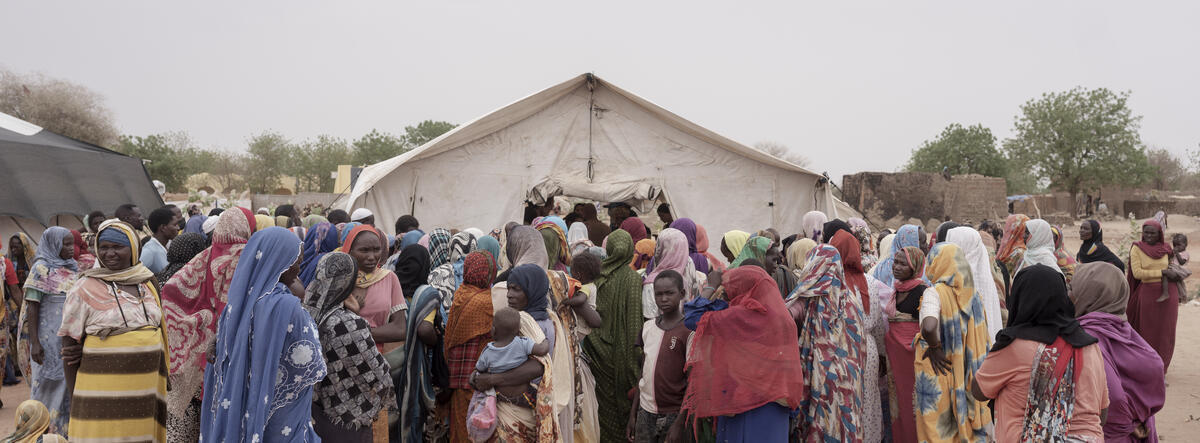
Deliver emergency food assistance to affected households, particularly among the 375,000 displaced people.
Conduct rapid livelihoods assessments and support early recovery interventions.
Protection
Ensure the protection of the most vulnerable groups, especially women, children, and the elderly.
Establish safe spaces for children in displacement settings.
Strengthen monitoring and response mechanisms for gender-based violence and family separation.
Early Recovery & Resilience
Given the recurrent and protracted nature of flooding in South Sudan, there is a pressing need to:
Rehabilitate and expand drainage systems in Juba.
Promote urban planning that integrates flood risk management.
Strengthen early warning systems and community-based response mechanisms.
Invest in building the resilience of local communities to climate variability and change.
This situation underscores the fragility of infrastructure in Juba in the face of climate shocks, particularly within a broader crisis that has affected over 1.35 million people across South Sudan. It highlights the urgent need to move beyond short-term emergency response toward a more integrated approach that combines humanitarian relief, development, and resilience-building. Coordinated and timely action by humanitarian and government actors remains critical to minimizing losses and saving lives in one of the region’s most complex and enduring crises.