Author: Abdalla Galaleldeen |
In one of the world’s most complex and marginalized humanitarian crises, Chad continues to bear an unprecedented burden in hosting Sudanese refugees, amid ongoing human flows since the conflict erupted in Sudan in April 2023. With the total refugee population surpassing 1.8 million, including more than 904,000 new arrivals since 2023, Chad stands out as one of the countries hosting the highest number of refugees relative to its population, placing an already fragile system under an unprecedented strain.
Displacement Dynamics and Geographic Concentration
Refugee populations are concentrated in the country’s fragile eastern regions, particularly Ouaddai, Sila, Wadi Fira, and Eastern Ennedi. Around 67% of new arrivals from border crossing points - such as Tinah - are relocated to official sites and camps through joint efforts by the Chadian government and the UN Refugee Agency (UNHCR). However, these transfers lag behind the speed of incoming flows, leading to the expansion of informal sites that lack even basic services.
Deteriorating Humanitarian Conditions: Critical Multi-Sector Indicators
Field data point to severe deterioration across key humanitarian indicators:
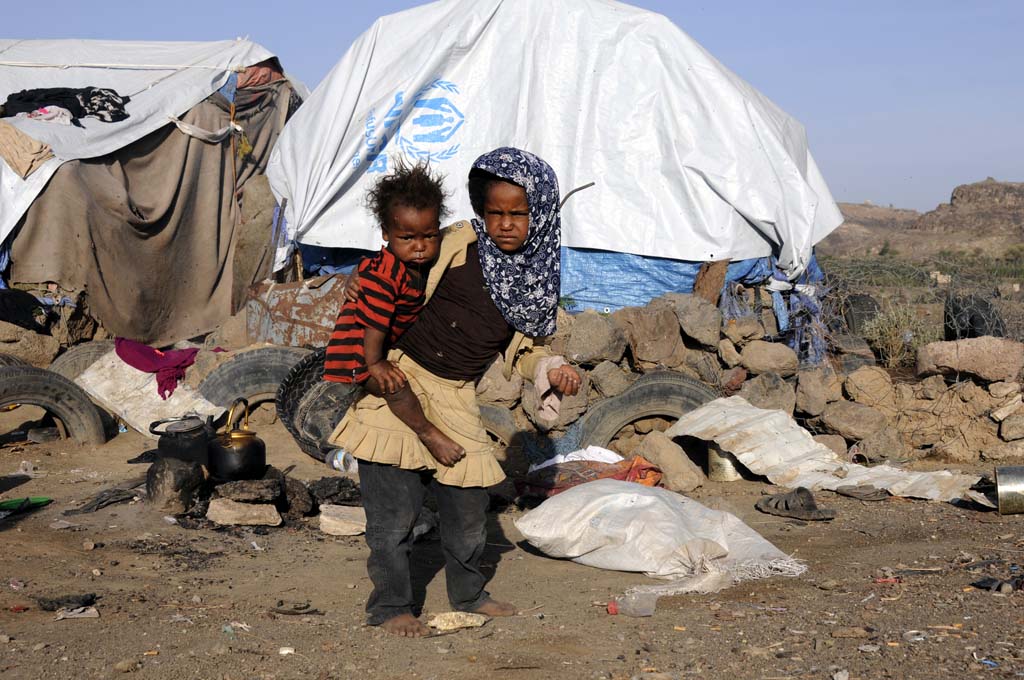
Shelter and Overcrowding: Camps are extremely overcrowded, with thousands of families living in inadequately equipped transitional sites.
Food Security and Nutrition: Approximately 10% of newly arrived children suffer from acute malnutrition. Gaps in food supplies have sparked protests in major camps such as Goutroun, hosting over 50,000 refugees, and Touloum.
Health, Water, and Sanitation: Cholera outbreaks occur repeatedly, compounded by severe shortages of clean water and sanitation services. Health facilities, including the Tin border hospital, operate at very limited capacity and rely on unstable energy sources.
Protection: Seventy-two percent of monitored refugees reported serious violations, including physical and sexual violence. Women and children account for 86% of new arrivals, significantly increasing protection risks.
Pressure on Host Communities
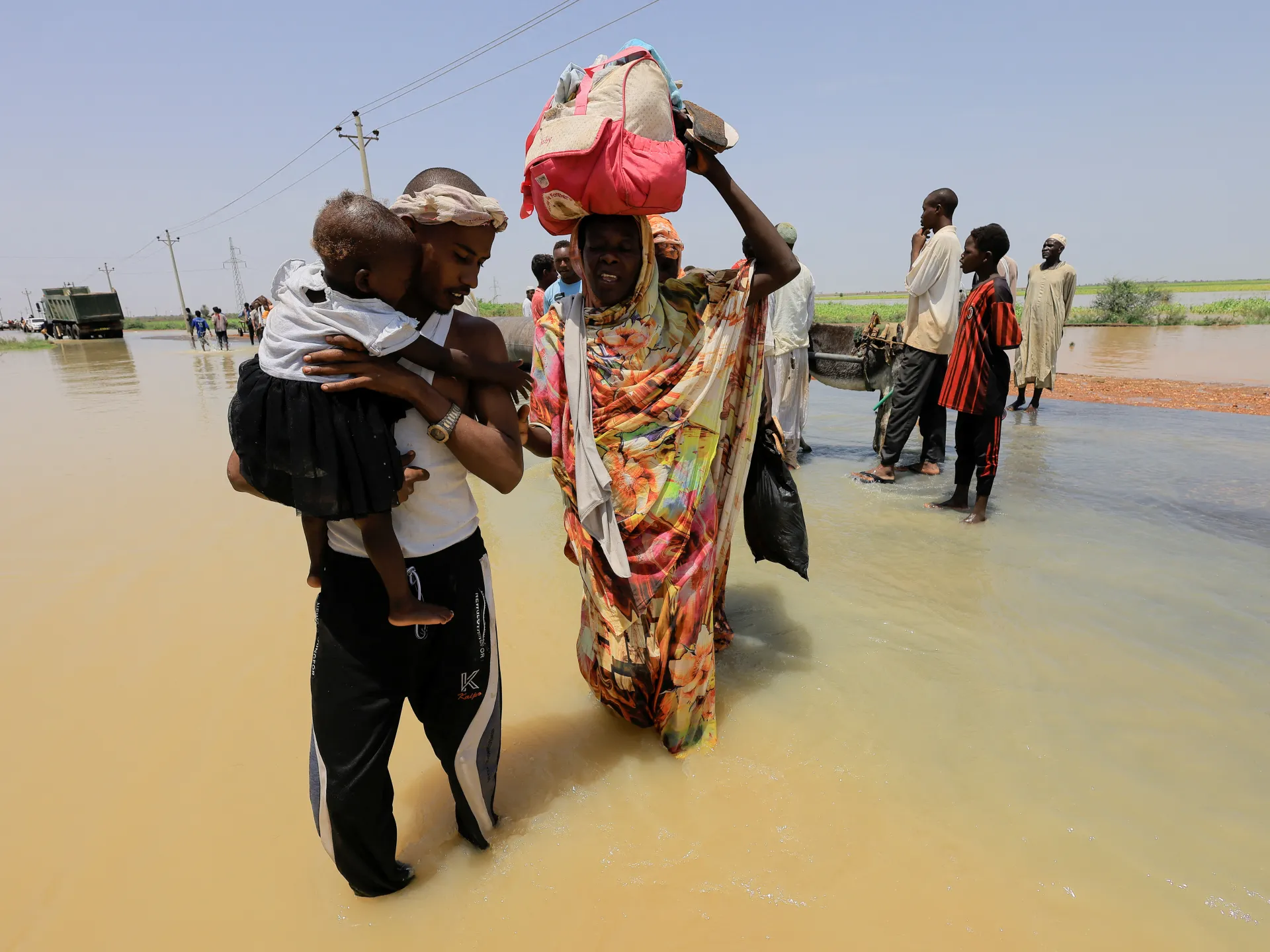
The crisis does not only affect refugees; it also severely impacts local communities, among the poorest in the country. Chad itself faces internal humanitarian needs affecting roughly 4 million people, amid overlapping crises such as the 2024 floods and chronic malnutrition, creating intense competition for scarce resources.
Recent Field Developments Deepening the Crisis
The period from 2025 to 2026 saw a marked escalation in displacement and needs:
In November 2025, clashes in Darfur, particularly in El Fasher, triggered daily waves of displacement toward the border.
In December 2025, incidents of looting within camps increased, further weakening the security environment.
In March 2026, violent clashes at the Tin border crossing resulted in 123 injured arriving in Chad, of whom 17 died and 66 remained in critical condition, putting additional pressure on the health system and potentially disrupting aid delivery.
Humanitarian Response Analysis: A Widening Gap Despite Efforts
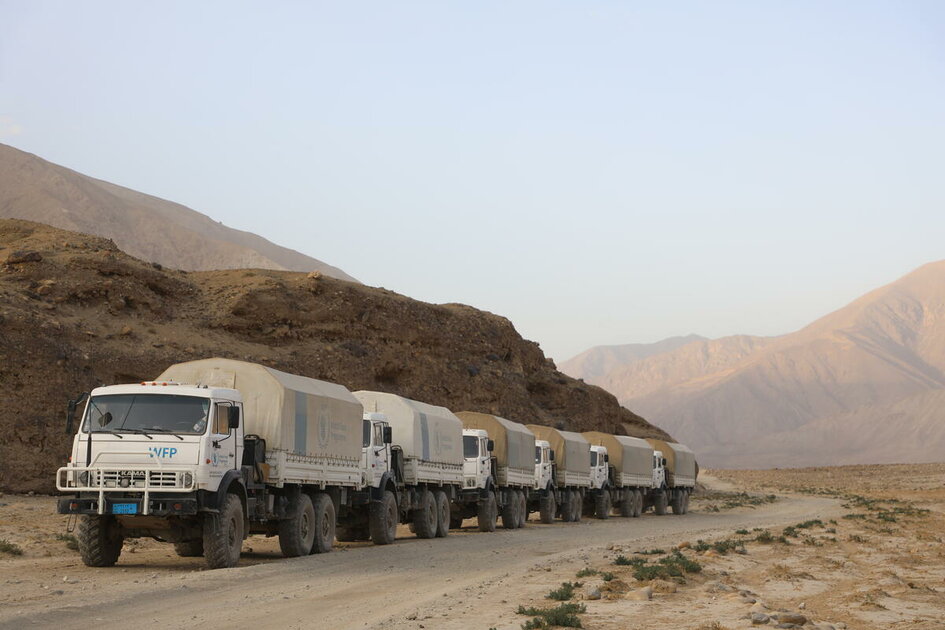
The UN Refugee Agency (UNHCR), in collaboration with the Chadian government and partners such as Médecins Sans Frontières and UNICEF, leads a multi-sector response encompassing registration, relocation, protection, and healthcare. The 2026 regional response plan aims to cover some 4.4 million Sudanese refugees across the region.
However, these efforts face a severe funding gap, with the crisis ranked among the least funded globally. Operational estimates indicate that less than 40% of financial needs had been met by the first quarter of 2026, resulting in:
Reduced food rations
Suspension or delays in protection programs
Limited expansion of camp infrastructure
Future Trends and Potential Risks
With the ongoing conflict in Sudan and instability in border areas, high refugee inflows are expected to continue throughout 2026. If funding shortages persist, likely outcomes include:
Worsening rates of malnutrition, particularly among children
Rising tensions between refugees and host communities
Partial collapse of essential services within camps
The Sudanese refugee crisis in Chad exemplifies what is classified as a “protracted, underfunded crisis,” where rapid demographic pressures intersect with the limited capacity of the host state and fragile service infrastructure, while international support falls short of growing needs. Despite Chad’s humanitarian approach - keeping borders open and accommodating large flows of refugees fleeing the conflict in Sudan - continuing this situation without urgent and coordinated international intervention risks escalating the crisis to a more complex and dangerous phase that could be increasingly difficult to contain.
Avoiding this scenario requires immediate, multi-level action, beginning with bridging the critical funding gap and extending to restructuring the response through an integrated approach linking emergency relief and sustainable development. This includes investing in host community support, strengthening livelihoods programs, and expanding basic services, ensuring a gradual transition from crisis management to resilience-building, and delivering a more effective and equitable response in one of the world’s most pressing humanitarian crises