Author: Dr. Ola Alkahlout | |
The United Nations Office for the Coordination of Humanitarian Affairs (OCHA) has launched the Global Humanitarian Overview (GHO) 2026, providing a comprehensive assessment of global humanitarian needs and response plans across multiple crisis contexts. The report serves as the primary global reference for identifying humanitarian priorities and guiding international funding and operational planning.
According to the report, an estimated 239 million people worldwide will require humanitarian assistance and protection in 2026 due to armed conflicts, climate-related disasters, and worsening economic conditions. Humanitarian response plans led by the United Nations and its partners aim to assist approximately 135 million people across around 50 countries facing major humanitarian crises.
To support these operations, the United Nations and its humanitarian partners have appealed for approximately USD 33 billion to fund life-saving assistance and protection activities. The report also highlights the growing gap between rising humanitarian needs and the limited financial resources available to address them.
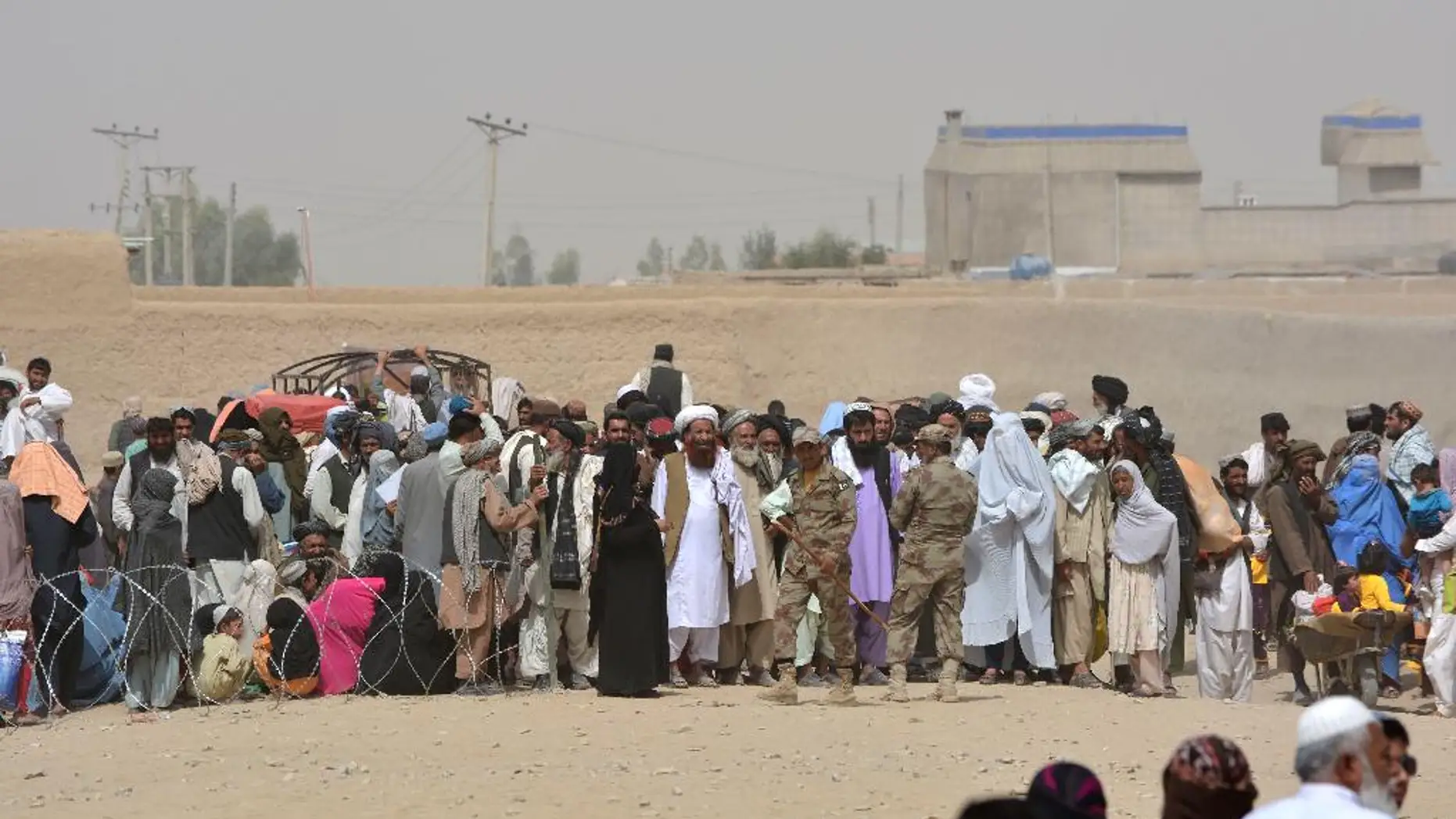
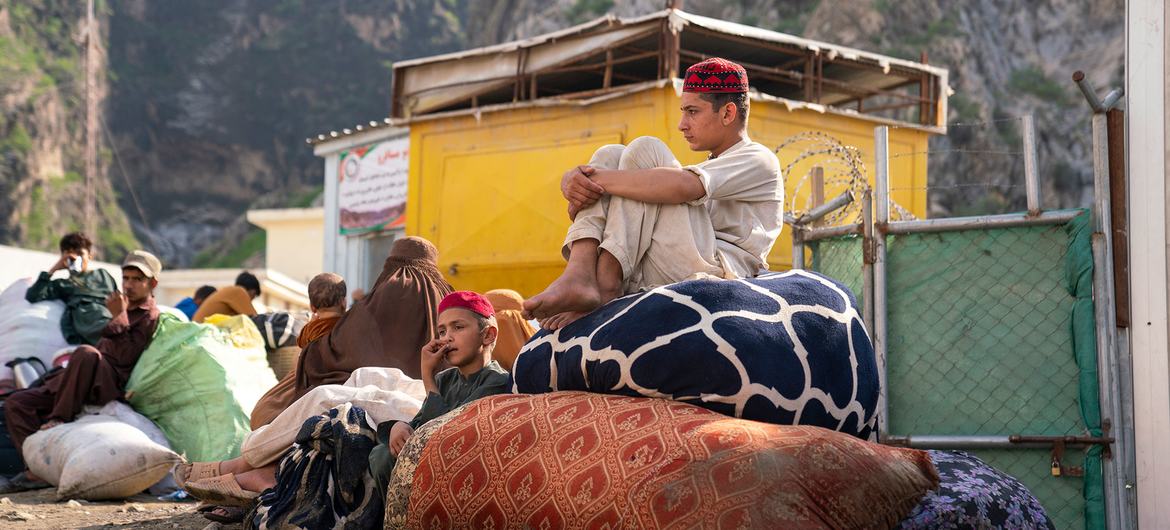
The Global Humanitarian Overview provides an analysis of major humanitarian trends, emphasizing that armed conflicts remain the primary driver of humanitarian crises, while climate-related disasters and economic instability continue to increase vulnerability in many regions. It also points to the increasing number of displaced people worldwide and the growing pressure on humanitarian systems.
The report reflects the growing importance of data-driven analysis and evidence-based planning in guiding humanitarian action. As global crises become more complex and interconnected, humanitarian actors increasingly rely on systematic monitoring and analytical tools to better understand evolving needs and allocate resources more effectively. Strengthening coordination among international organizations, local actors, and humanitarian partners remains essential for improving the efficiency and impact of humanitarian interventions. In this context, enhancing knowledge generation, data sharing, and analytical capacities plays a critical role in supporting informed decision-making and developing more responsive humanitarian strategies to address global crises.