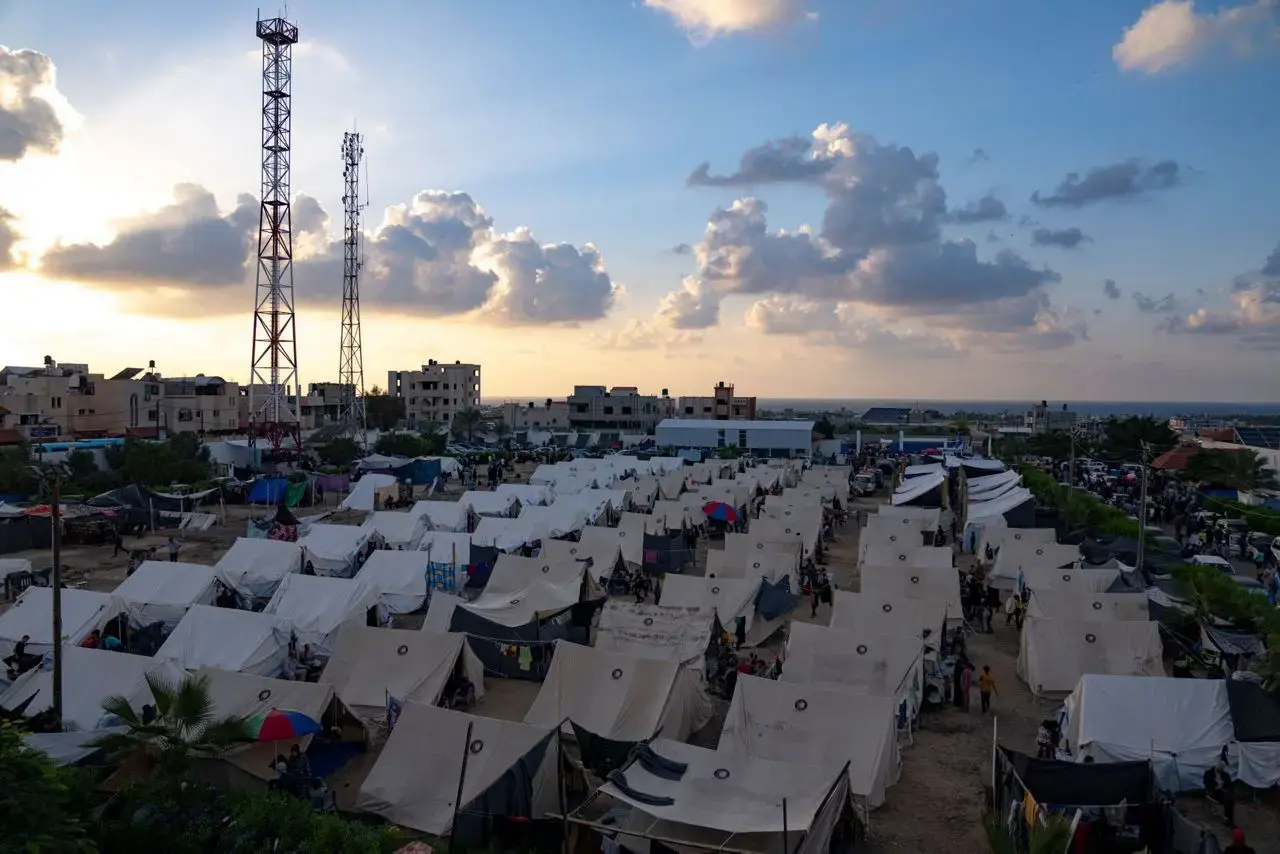
Recent data from the World Bank and the United Nations Office for Disaster Risk Reduction (UNDRR) indicate that natural disasters cause global economic losses exceeding USD 300 billion annually on average, with more than 1.6 billion people affected over the past decade. Climate-related disasters alone could push up to 132 million additional people into extreme poverty by 2030 if recovery policies are not integrated with sustainable development strategies. World Bank analyses further show that every USD 1 invested in disaster risk reduction and resilient reconstruction can generate savings of USD 4 to 7 in avoided future losses. Evidence from “Build Back Better” programs suggests that integrating reconstruction with long-term development planning can reduce the cost of repeated emergency responses by 30–40% in disaster-prone contexts.
From Emergency Response to Resilient Reconstruction
Post-disaster recovery is no longer viewed merely as a compensatory phase following emergency response, but as a strategic opportunity to rebuild in a safer and more sustainable manner. According to Post-Disaster Needs Assessments (PDNA) reports, countries that adopt comprehensive recovery planning approaches can reduce economic recovery time by 20–25% compared to those relying on fragmented or short-term interventions. UN reports also indicate that nearly 60% of economic losses in low- and middle-income countries are linked to weak infrastructure systems and the absence of pre-disaster recovery planning. This underscores the importance of investing in the rehabilitation of water networks, health facilities, schools, and local livelihoods as part of an integrated development vision rather than isolated reconstruction efforts.
The Funding Gap Between Relief and Development
Despite the clear economic return of rehabilitation investments, international financing continues to prioritize short-term emergency interventions. Data on humanitarian financing reveal that less than 15% of funding allocated to protracted crises is directed toward recovery and resilience-building programs, while the majority remains focused on immediate response. Meanwhile, the global humanitarian funding gap has exceeded USD 20 billion in recent years, limiting the ability of actors to transition from emergency relief to sustainable recovery. This imbalance perpetuates cycles of aid dependency rather than investing in long-term risk reduction and structural resilience.
Relief Center considers these quantitative indicators to demonstrate that community rehabilitation is not a complementary option, but a strategic necessity for reducing the humanitarian and economic cost of crises. Every investment in early monitoring systems, risk analysis, and local capacity-building directly contributes to minimizing future losses and accelerating recovery. The Center emphasizes that the integration of monitoring and analysis, capacity building, and social interaction forms the cornerstone of transforming post-disaster recovery into a development opportunity. Sustainable recovery is not achieved merely by rebuilding damaged infrastructure, but by redesigning local systems to become more resilient to future shocks. Accordingly, these global findings can inform the design of long-term project proposals that combine economic rehabilitation, livelihood restoration, and strengthened local governance, thereby narrowing response gaps and generating sustainable humanitarian and developmental impact.