A New Earthquake in an Already Fragile Humanitarian Context
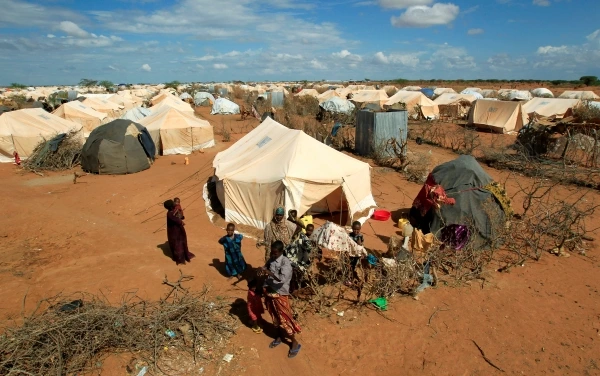
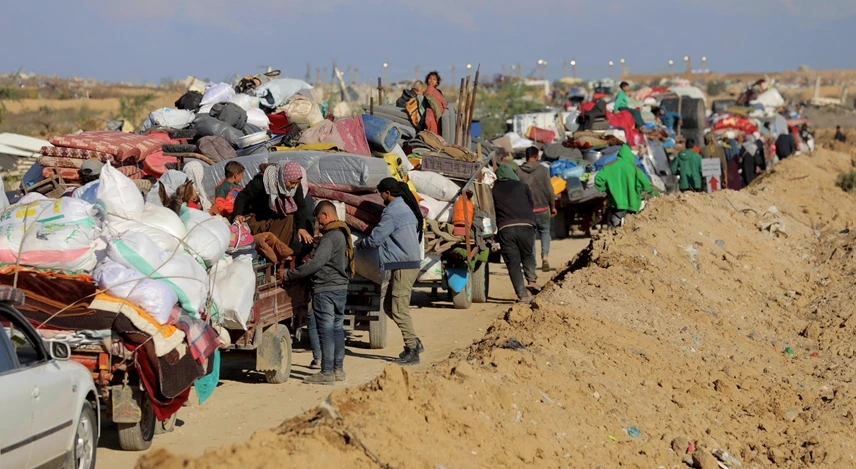
Natural disasters are among the most significant factors that intensify humanitarian crises in fragile states, particularly those already affected by protracted conflict, weak infrastructure, and limited access to basic services. Afghanistan represents a clear example of this reality, where recurrent natural hazards intersect with deteriorating humanitarian conditions, increasing civilian suffering and undermining recovery prospects. For years, the country has faced a complex humanitarian situation shaped by armed conflict, economic collapse, weakened state institutions, and restrictions affecting service delivery. These factors have contributed to rising poverty, widespread food insecurity, and the deterioration of the health system, leaving large segments of the population increasingly dependent on humanitarian assistance. The recent earthquake has further aggravated these conditions, causing significant human and material losses, widespread destruction of homes and infrastructure, and severe impacts on rural communities that already lack the capacity for rapid response. The disaster has displaced thousands of families, deprived them of safe shelter, and intensified the need for food, clean water, and emergency health services.
Canada’s Assistance and Its Role in Supporting the Emergency Response
In this context, the Government of Canada announced the provision of USD 3 million in humanitarian assistance to support earthquake-affected populations in Afghanistan. This contribution reflects a humanitarian commitment to support immediate relief efforts and reduce the impact of the disaster on vulnerable communities. It forms part of a broader international response aimed at strengthening emergency operations during a critical phase and demonstrates recognition of the scale of humanitarian needs caused by the earthquake, as well as adherence to core humanitarian principles, particularly the imperative to save lives and alleviate suffering. The funding is expected to be delivered through trusted humanitarian channels, ensuring that assistance reaches the most affected populations and contributes to meeting essential needs, particularly in emergency shelter, food assistance, health services, and water and sanitation. This contribution also plays a role in addressing part of the funding gap facing the humanitarian response and enhances the capacity of humanitarian actors to mobilize quickly and implement interventions that reduce loss of life and prevent further deterioration of conditions, especially in a context characterized by limited domestic resources and weak national response capacity.
Operational Challenges and the Importance of Data-Driven, Coordinated Response
Despite the importance of the assistance provided, humanitarian operations in Afghanistan continue to face multiple challenges, including difficult access to affected areas, fragile infrastructure, limited logistical capacity, and security constraints that hinder the work of humanitarian teams. At the same time, humanitarian needs are increasing at a pace that often exceeds available funding, placing additional pressure on organizations operating in the field and underscoring the need for stronger international coordination, sustained financial support, and flexible mechanisms capable of responding to evolving needs. While Canada’s contribution represents an important step in the humanitarian response, it remains part of a broader effort that must continue over the medium and long term. Beyond immediate relief, Afghanistan requires support for early recovery, rehabilitation of housing and infrastructure, and strengthened community resilience to future disasters, alongside sustained international engagement that links humanitarian action with recovery, development, and risk-adaptation strategies.
From an analytical perspective, this contribution illustrates that the effectiveness of humanitarian financing is not determined solely by its volume, but by its ability to reach the most affected areas quickly and to be allocated according to priorities grounded in accurate data and continuous field analysis. In such contexts, the primary challenge lies not only in resource scarcity, but also in allocation mechanisms and coordination structures that ensure assistance reaches the most vulnerable populations at the right time. Within this framework, empowering local organizations becomes essential, given their proximity to affected communities and their capacity to respond rapidly in complex environments. At the same time, investment in monitoring and analytical systems is a decisive factor in improving the quality of humanitarian decision-making, reducing response gaps, and increasing the effectiveness of interventions. This perspective aligns with the Relief Center’s approach to building a humanitarian ecosystem grounded in data-driven analysis, strengthened coordination, and the empowerment of local actors to deliver more precise, timely, and sustainable responses.