Author: Dr. Ola Alkahlout |
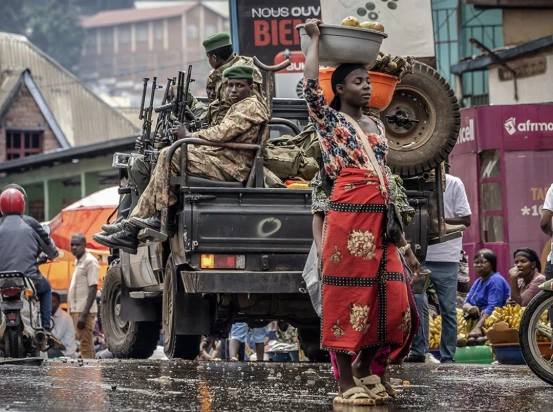
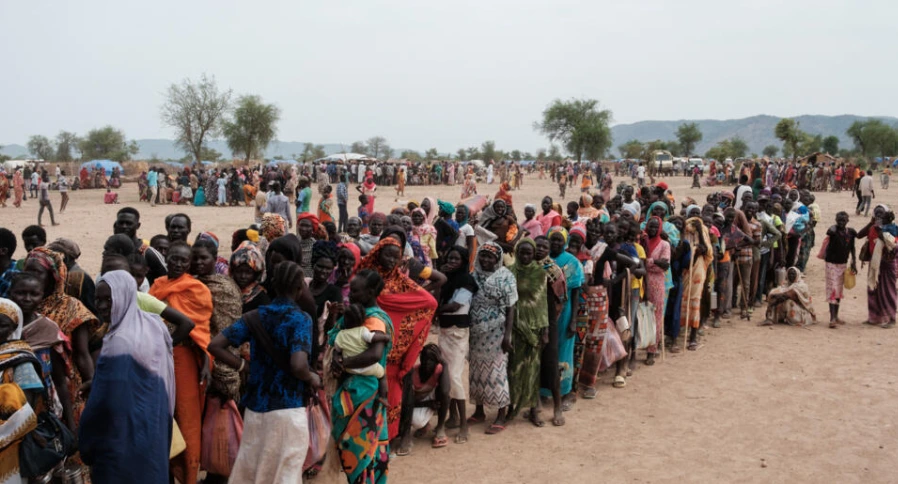
The armed conflict in Sudan, which began in April 2023, continues to generate one of the largest humanitarian crises in the world, forcing millions of civilians to flee their homes both within the country and across its borders. According to United Nations estimates, more than 11 million people have been displaced since the start of the conflict, including approximately 7 million internally displaced persons (IDPs) within Sudan. This makes the Sudan crisis one of the largest internal displacement crises globally. Major displacement waves have been concentrated in Darfur, Khartoum, Kordofan, and Al Jazirah states, where many residents have been forced to leave their homes in search of safer areas within Sudan or across borders to neighboring countries such as Chad, South Sudan, and Egypt. This large-scale displacement has significantly increased pressure on host communities, many of which already face limited resources and strained public services.
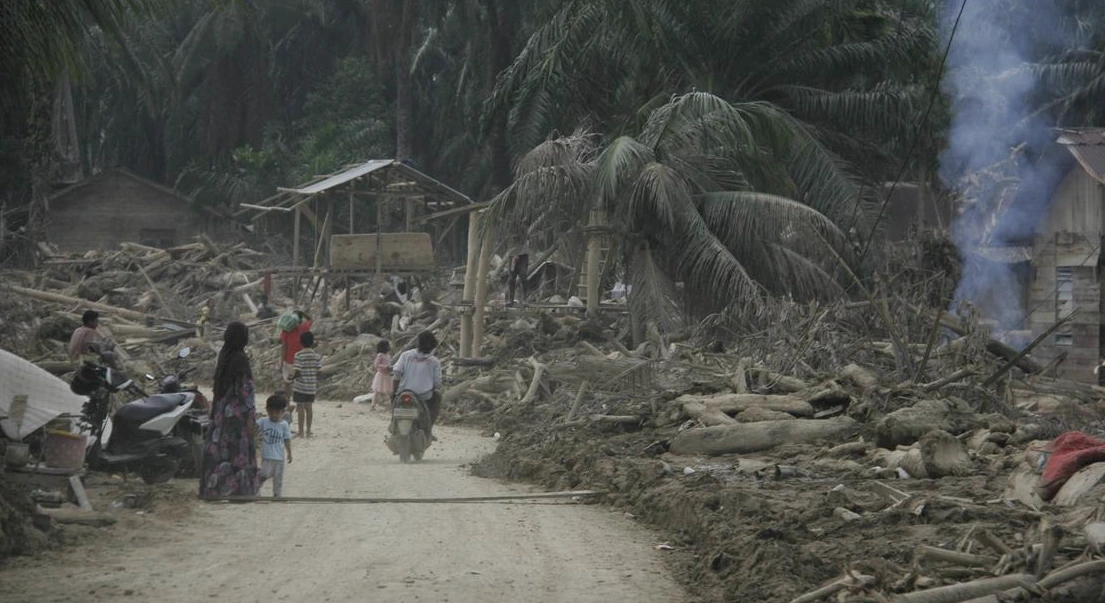
In a recent development, limited returns of displaced people have begun to emerge in some areas where the intensity of fighting has relatively decreased, particularly in Al Jazirah State, parts of Khartoum, and areas of Sennar State. Humanitarian reports indicate that hundreds of thousands of displaced individuals have gradually started returning to their areas in recent weeks. However, these returns remain highly fragile due to widespread destruction of homes and infrastructure, limited access to essential services, and the risks posed by unexploded remnants of war in several locations.
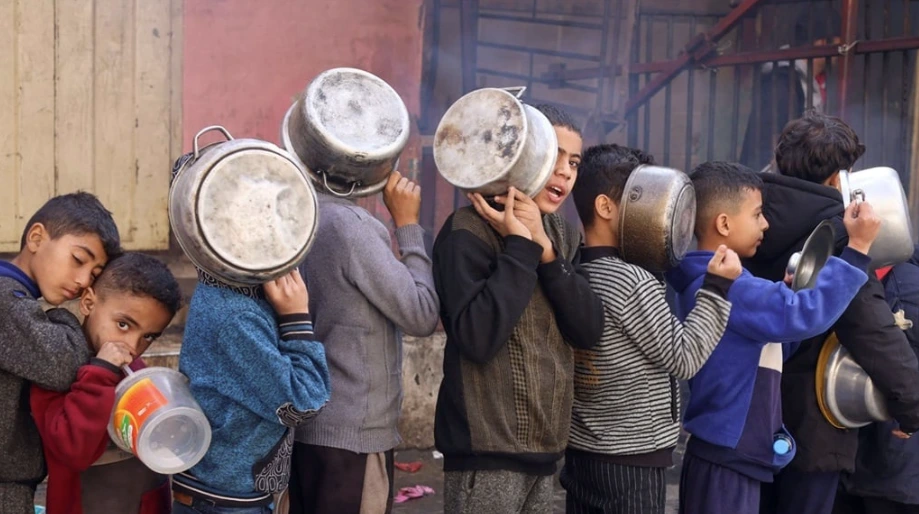
Estimates from the United Nations Office for the Coordination of Humanitarian Affairs (OCHA) indicate that more than 30 million people in Sudan currently require humanitarian assistance as a result of the ongoing conflict and the deterioration of economic and public service systems. The destruction of infrastructure and the disruption of essential services have further worsened humanitarian conditions across many conflict-affected areas. The World Food Programme (WFP) has also warned of rising levels of acute food insecurity across Sudan, with millions of people struggling to access sufficient food due to disrupted markets, soaring prices, and declining agricultural production. In addition, the deterioration of healthcare services in many affected areas increases the risk of disease outbreaks and undermines communities’ capacity to cope with the crisis. Both displaced populations and returnees continue to face significant challenges, including lack of adequate shelter, limited access to clean water and healthcare services, and increasing protection risks, particularly for women and children.
Main Humanitarian Needs
- Provision of emergency shelter and safe accommodation for internally displaced people and returnees.
- Expansion of emergency food assistance programs for the most vulnerable households.
- Support for essential healthcare services in conflict-affected areas.
- Provision of clean water and sanitation services in displacement sites and return areas.
- Strengthening protection programs and psychosocial support for women and children.
- Support for host communities receiving large numbers of displaced persons.
- Improving humanitarian access to affected areas to ensure effective delivery of assistance.
Humanitarian Implications
Recent developments in Sudan reflect a complex humanitarian landscape characterized by continued displacement in some areas alongside limited returns in others. While these partial returns may indicate shifting dynamics on the ground, they do not signal the end of the humanitarian crisis, particularly in light of the extensive destruction of infrastructure and essential services. In this context, there is a growing need for a comprehensive humanitarian response that combines emergency assistance with early recovery efforts and restoration of basic services, in order to strengthen the resilience of affected communities and mitigate the long-term impacts of the conflict.Start writing here...