Author: Dr. Ola Alkahlout |
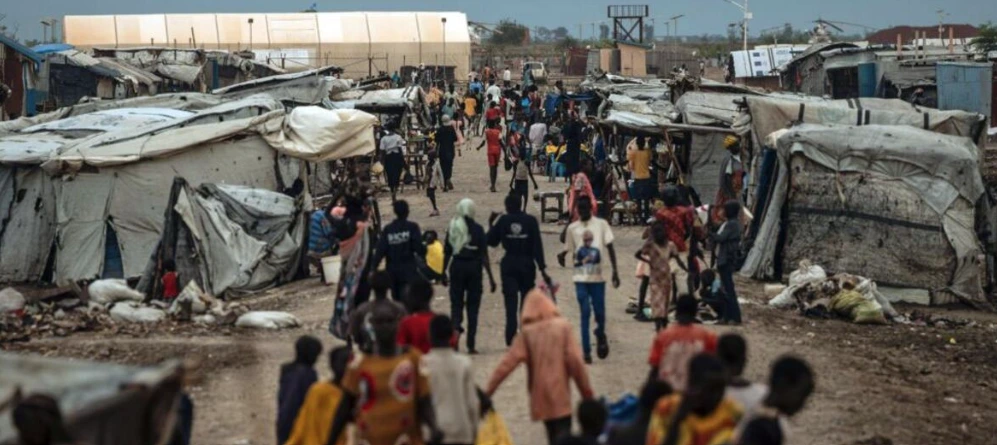
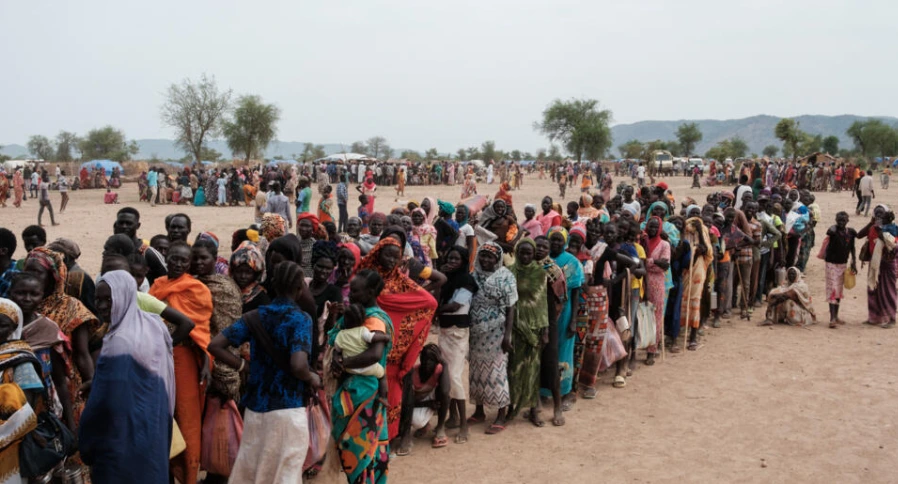
Democratic Republic of the Congo continues to experience escalating armed violence in its eastern provinces, particularly in North Kivu, South Kivu, and Ituri, significantly worsening humanitarian conditions and driving displacement to some of the highest levels recorded globally. According to estimates from United Nations High Commissioner for Refugees, approximately 8.2 million people have been forcibly displaced due to conflict and violence in the Democratic Republic of the Congo, including around 5.8 million internally displaced persons (IDPs) within the country and more than 1.2 million Congolese refugees living in neighboring African countries. These figures place the Democratic Republic of the Congo among the countries with the largest displacement crises worldwide, with the majority of displacement concentrated in the eastern regions where clashes between armed groups and government forces continue to occur.
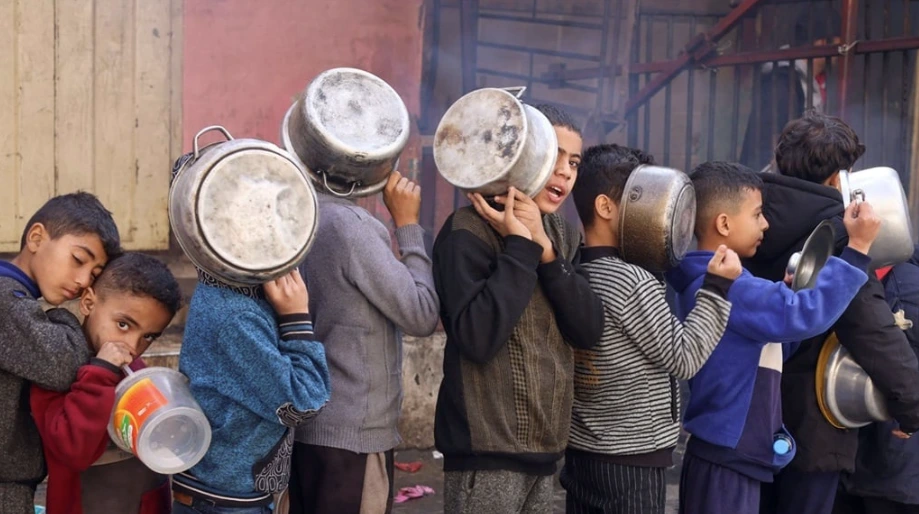
The conflict is unfolding within a broader humanitarian emergency. According to the Humanitarian Needs Overview 2026 issued by United Nations Office for the Coordination of Humanitarian Affairs, approximately 14.9 million people in the Democratic Republic of the Congo are expected to require humanitarian assistance in 2026, largely due to armed conflict, economic hardship, and limited access to essential services. Meanwhile, World Food Programme estimates that around 26.6 million people in the country are experiencing acute food insecurity (IPC Phase 3 or above), making the Democratic Republic of the Congo one of the largest hunger hotspots globally.
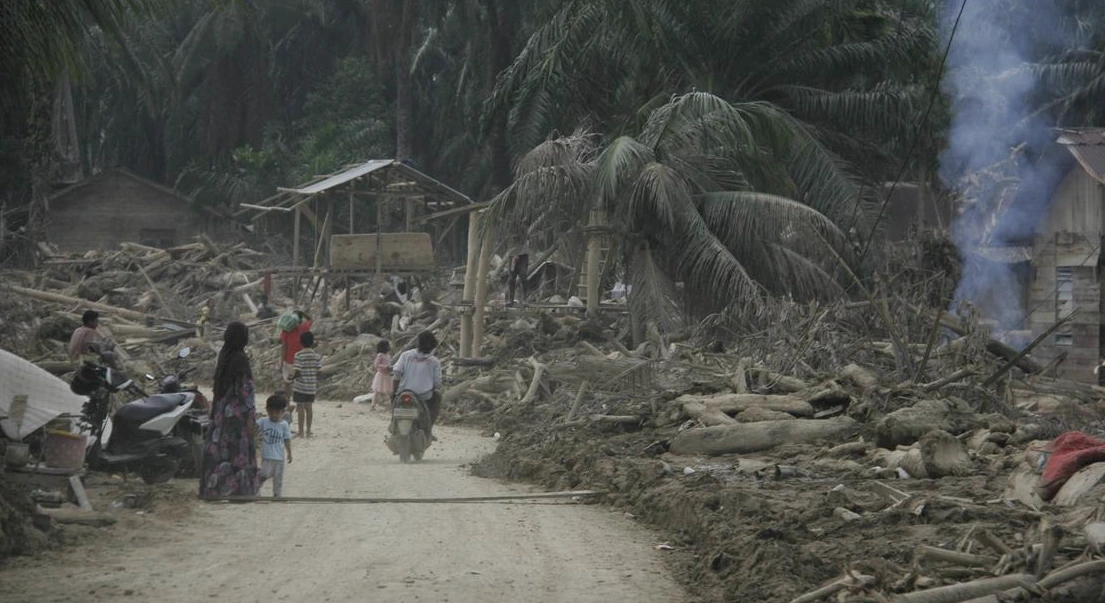
Ongoing violence has forced hundreds of thousands of civilians to flee their homes repeatedly within short periods of time. Many displaced families face severe difficulties accessing shelter, food, healthcare, and clean water. Repeated displacement has also eroded household resilience and disrupted livelihoods, further deepening vulnerability among affected communities.
Main Humanitarian Needs
- Provision of emergency shelter and housing support for families displaced multiple times due to ongoing violence.
- Expansion of food assistance and food security programs in conflict-affected areas.
- Strengthening basic healthcare services in regions hosting large numbers of displaced populations.
- Improving water, sanitation, and hygiene (WASH) services in overcrowded displacement sites.
- Enhancing civilian protection programs, particularly for women and children exposed to heightened risks of violence and exploitation.
- Supporting livelihood recovery and community resilience initiatives in areas affected by repeated displacement.
- Improving humanitarian access to conflict-affected areas to ensure consistent delivery of aid.
Humanitarian Implications
The crisis in eastern Democratic Republic of the Congo illustrates the dynamics of protracted conflict in which security, political, and socio-economic factors intersect to produce long-term humanitarian emergencies. Continued violence in the eastern provinces has generated widespread displacement and gradually weakened the capacity of local communities to cope with repeated shocks.
Operationally, the scale and complexity of the crisis pose major challenges for the international humanitarian system. Effective response requires sustained coordination among humanitarian actors, national authorities, and local partners to ensure that assistance reaches the most affected communities. At the same time, the geographic spread of armed groups and insecurity significantly limits safe humanitarian access to several areas.
From a broader strategic perspective, the persistence of large-scale displacement and severe food insecurity suggests that the crisis in the Democratic Republic of the Congo represents not merely a temporary humanitarian emergency but a structural and protracted crisis in the region. Addressing it will require responses that combine immediate humanitarian relief with longer-term recovery and resilience-building efforts, alongside political and security initiatives aimed at tackling the underlying drivers of conflict.