Effective Relief Coordination
Linking Humanitarian Efforts to Strengthen the Effect and Convert the Vasties
Coordination is a fundamental pillar for ensuring a coherent and effective response during crises. The Relief Center connects humanitarian organizations and field initiatives within an advanced digital ecosystem designed to strengthen collaboration, streamline information sharing, and enhance the efficient allocation of resources. The platform provides an interactive environment that supports the exchange of verified information, alignment of priorities, and timely updates of response plans—reducing duplication and improving the quality of interventions. Through its analytical tools, the Relief Center enables more accurate planning and stronger linkage between strategic and field-level actions, ultimately contributing to a more impactful and sustainable response for affected communities.
Our Partners









Relief for Earthquake-Affected Families – Afghanistan
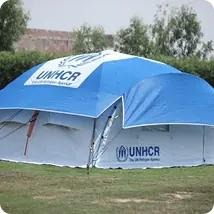
In the aftermath of the devastating earthquake that struck several areas in Afghanistan on 31 August 2025, thousands of families are facing dire humanitarian conditions with loss of shelter, food shortages, and deteriorating health situations. This project aims to provide food, tents, and hygiene kits to the most affected families, meeting their essential needs, ensuring a minimum level of food security and health, and offering dignified temporary shelter under these harsh circumstances.
The number of those affected
Tens of thousands of families have lost their homes and sources of livelihood due to the recent earthquake.
Required Aid
Provision of food baskets, hygiene kits, and emergency tents for affected families.

Emergency Appeal for Displaced Populations and Host Communities in Southern Chad
(last updated 4:52 AM - February 8, 2026)
Southern Chad is facing a rapidly evolving humanitarian emergency driven by large-scale displacement from neighboring conflict-affected regions, compounded by chronic poverty, food insecurity, and limited access to basic services. Host communities and displaced populations are experiencing critical shortages of food, water, shelter, and health services. This emergency appeal seeks immediate, life-saving support to stabilize conditions and prevent further humanitarian deterioration.
Ongoing regional instability and cross-border displacement have led to a significant influx of refugees and internally displaced persons into southern Chad. The sudden population increase has overwhelmed already fragile local infrastructure, placing severe strain on food systems, water sources, health facilities, and social cohesion. Women, children, and vulnerable households are particularly exposed to heightened protection risks, malnutrition, and preventable diseases in overcrowded and under-resourced settings.
The number of those affected
Numbers and Demographics Affected
• Displaced populations residing in host communities and informal settlements
• Refugees and returnees fleeing conflict in neighboring regions
• Women, children, and older persons
• Households facing acute food insecurity and loss of livelihoods
Hundreds of thousands of individuals in southern Chad are estimated to be directly and indirectly affected by displacement, food shortages, and service disruption.
Required Aid
Types of Aid and Resources Needed
• Emergency food assistance and nutrition support
• Provision of safe drinking water and emergency WASH services
• Temporary shelter and non-food relief items
• Emergency health services and essential medicines
• Protection services for women and children
• Logistical and coordination resources to ensure timely humanitarian delivery
Multi-Sector Emergency Appeal for Civilians Affected in Idlib and Aleppo Countryside – Northwest SyriaCountries: Syria – Idlib and Aleppo Countryside
(last updated 4:23 AM - February 8, 2026)
Idlib and the Aleppo countryside continue to face critical humanitarian conditions as a result of prolonged conflict, repeated displacement, and declining access to essential services. This emergency appeal seeks to mobilize immediate, multi-sector humanitarian assistance to address life-saving needs among civilian populations, with a particular focus on the most vulnerable groups, amid sustained resource shortages and operational constraints.
Years of instability in northwest Syria have resulted in widespread disruption of livelihoods, rising poverty levels, food insecurity, and the deterioration of health and water services. Large numbers of internally displaced families reside in overcrowded camps or informal settlements under harsh living conditions, heightening risks related to disease outbreaks, malnutrition, and protection concerns, especially among women and children.
The number of those affected
Numbers and Demographics Affected
• Civilian populations residing in Idlib and Aleppo countryside
• Internally displaced persons living in camps and informal settlements
• Women, children, and older persons
• Households experiencing loss or instability of income
An estimated 5 million people in Idlib and Aleppo countryside are directly or indirectly affected and require some form of humanitarian assistance.
Required Aid
Types of Aid and Resources Needed
• Emergency food assistance and food security support
• Provision of safe drinking water, water treatment supplies, and WASH services
• Emergency health services and essential medicines
• Non-food relief items, including blankets and basic household supplies
• Protection interventions for women and children
• Logistical support to ensure sustained humanitarian access and delivery
Multi-Sector Emergency Appeal to Save Civilians Affected by Siege and Armed Conflict in El Fasher -Sudan – North Darfur State (El Fasher)
(last updated 4:11 AM - February 8, 2026)
El Fasher is facing a rapidly deteriorating humanitarian situation as a result of ongoing armed conflict and siege conditions, leading to severe disruptions in supply chains, limited access to essential services, and restricted humanitarian access. This emergency appeal seeks to mobilize immediate, life-saving assistance for civilian populations, with particular focus on the most vulnerable groups, in order to prevent further loss of life and mitigate escalating humanitarian risks.
The intensification of hostilities and prolonged siege in and around El Fasher has resulted in acute shortages of food and safe drinking water, the collapse of basic health services, and heightened protection risks for civilians. Internal displacement within the city and surrounding areas has further strained already scarce resources. Without urgent intervention, the situation is expected to deteriorate further, placing thousands of lives at imminent risk.
The number of those affected
Affected Population and Target Groups:
• Civilians affected by siege and armed conflict within El Fasher
• Internally displaced families residing within urban neighborhoods and surrounding areas
• Women, children, and older persons
• Patients, persons with disabilities, and individuals with specific needs
Estimates indicate that tens of thousands of civilians are directly and indirectly affected by the ongoing crisis.
Required Aid
Types of Assistance and Required Resources:
• Emergency food assistance and life-saving food baskets
• Provision of safe drinking water, water treatment supplies, and emergency WASH support
• Emergency health assistance, including essential medicines and first aid supplies
• Non-food relief items (blankets, basic household items)
• Urgent protection interventions for women and children
• Logistical resources to enable rapid humanitarian access and delivery
Emergency Aid: Food, Tents & Hygiene for Darfur
(last updated 1:00 PM - September 3, 2025)
On 31 August 2025, a catastrophic landslide struck Tarasin village in Jebel Marra, Central Darfur, after days of heavy rainfall. The disaster claimed the lives of more than 1,000 people and completely destroyed the village. In response to this unprecedented humanitarian tragedy, the project aims to provide food, tents, and hygiene support to the surviving families, addressing their most urgent needs amid the severe challenges of delivering aid to the area.
The number of those affected
Over 1,000 people lost their lives, with all residents of Tarasin village in Jebel Marra affected.
Required Aid
Provision of food baskets, hygiene kits, and emergency tents for surviving families and traumatized communities.

Pakistan Floods – August 2025: Ready-to-Eat Meals
(last updated 1:00 AM - August 28, 2025)
Pakistan is facing an escalating humanitarian crisis due to heavy monsoon rains and sudden floods that began on June 26, 2025, causing severe human and material losses. In the provinces of Punjab, Khyber Pakhtunkhwa, Azad Jammu and Kashmir, and Gilgit-Baltistan, there is an urgent need for relief interventions, with forecasts indicating a further deterioration of the crisis due to continued weather instability.
The number of those affected
The death toll has exceeded 799, with 1,080 injuries reported. In addition, 7,225 houses have been damaged, more than 234 bridges have collapsed, and approximately 450 kilometers of vital roads have been cut off. Estimates indicate that around 100,000 people are in urgent need of humanitarian assistance.
Required Aid
In Khyber Pakhtunkhwa, at least 4,000 families (around 20,000 people) are in urgent need of ready-to-eat meals to cover their basic needs.

Pakistan Floods – August 2025: Hygiene Kits
(last updated 8:00 AM - August 27, 2025)
Pakistan is facing an escalating humanitarian crisis due to heavy monsoon rains and sudden floods that began on June 26, 2025, causing severe human and material losses. In the provinces of Punjab, Khyber Pakhtunkhwa, Azad Jammu and Kashmir, and Gilgit-Baltistan, there is an urgent need for relief interventions, with forecasts indicating a further deterioration of the crisis due to continued weather instability.
The number of those affected
The death toll has exceeded 799, with 1,080 injuries reported. In addition, 7,225 houses have been damaged, more than 234 bridges have collapsed, and approximately 450 kilometers of vital roads have been cut off. Estimates indicate that around 100,000 people are in urgent need of humanitarian assistance.
Required Aid
In Khyber Pakhtunkhwa, at least 4,000 families (around 20,000 people) are in urgent need of hygiene kits to reduce health risks.