Author: Dr. Ola Alkahlout |
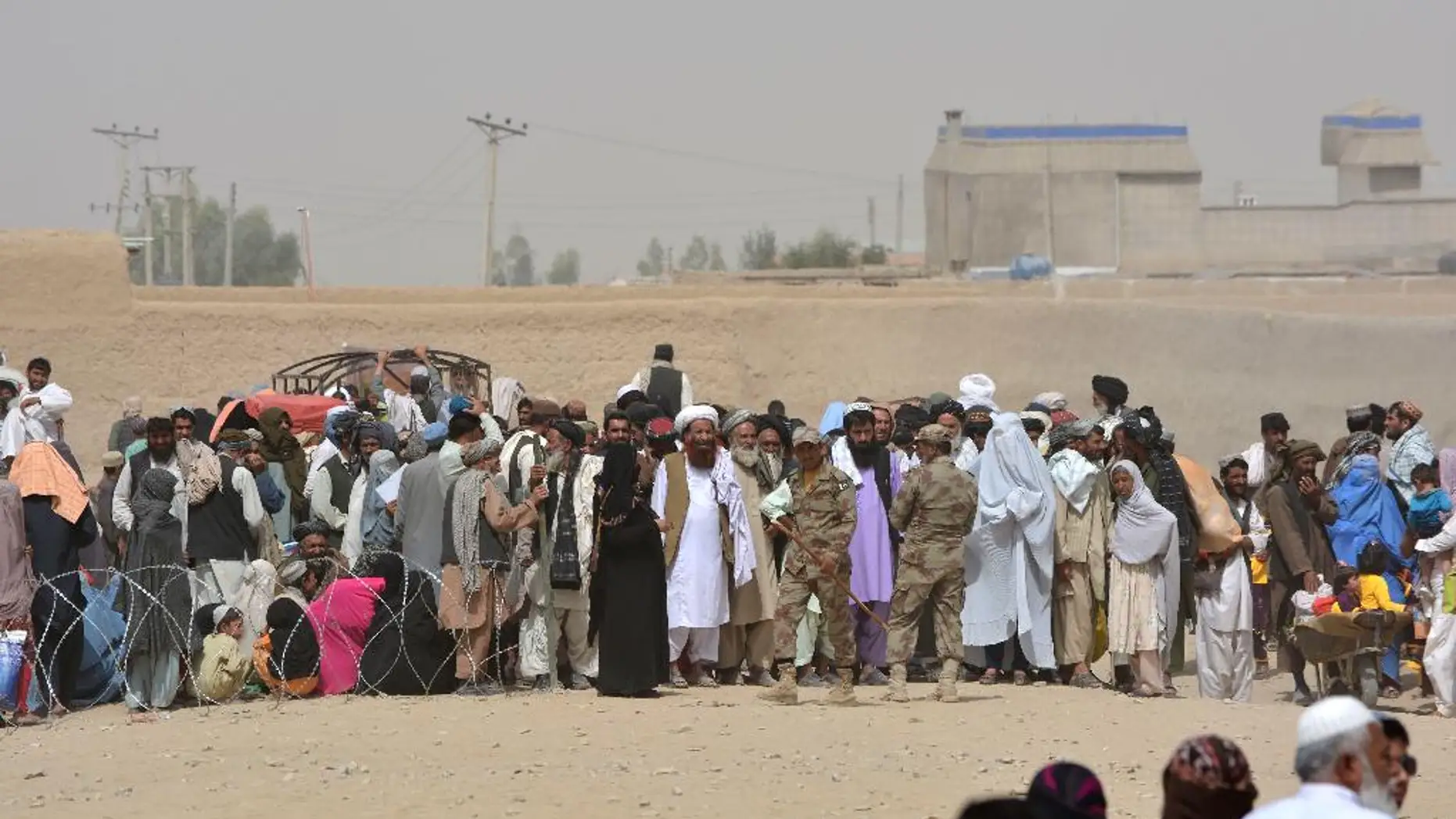
Start writing hIn recent months, the Afghan–Pakistani border has witnessed a noticeable increase in the return of Afghan refugees to Afghanistan following deportation policies and residency measures implemented by Pakistan since 2023. According to data from UNHCR, more than two million Afghans have returned or been returned from Pakistan to Afghanistan since September 2023, representing one of the largest return movements in the region in recent years. Most returnees arrive through the main border crossings in the provinces of Nangarhar, Kandahar, and Khost, where they are received at temporary reception points before moving to their areas of origin or to new communities. However, many returning families arrive without sufficient financial resources or stable shelter, making them heavily dependent on humanitarian assistance during the initial stages of return.
This return movement comes at a time when Afghanistan is facing one of the largest humanitarian crises in the world. According to the Humanitarian Needs Overview issued by United Nations Office for the Coordination of Humanitarian Affairs, approximately 23.7 million people in Afghanistan require humanitarian assistance, reflecting the fragility of the country’s economic and social conditions.
Estimates from World Food Programme also indicate that more than 15 million people in Afghanistan are experiencing acute levels of food insecurity (IPC Phase 3 or above), amid ongoing economic decline and rising levels of poverty and unemployment. With additional waves of returnees, pressure on already limited resources and essential services is expected to increase, particularly in border areas that serve as the first point of arrival for returning families. Reports from International Organization for Migration indicate that a significant proportion of returnees had lived in Pakistan for many years, and some were even born there and had never previously lived in Afghanistan. This situation creates additional challenges related to social reintegration, obtaining official documentation, and accessing education and health services.
Many returning families also face difficulties reintegrating their children into the education system, while the risk of child labor and school dropout increases due to the economic pressures confronting returning households.
Main Humanitarian Needs
Provision of emergency shelter or rental support for returning families without housing.
Expansion of food assistance and multi-purpose cash assistance programs for the most vulnerable households.
Support for basic health services in border areas receiving returnees.
• Reintegration of children into the education system and prevention of school dropout.
Provision of protection services and psychosocial support for returnees, particularly children and women.
Support for host communities facing additional pressures due to the return of large numbers of refugees.
Strengthening livelihood programs and employment opportunities to reduce long-term dependency on humanitarian assistance.
Humanitarian Implications
The current wave of returns reflects a significant shift in the nature of the crisis related to Afghan refugees. Challenges are no longer limited to managing refugee situations in neighboring countries, but are increasingly linked to Afghanistan’s capacity to absorb returnees and reintegrate them into communities already facing profound economic and humanitarian vulnerabilities.
These developments highlight the importance of strengthening humanitarian monitoring and analysis systems to track return movements and identify the most affected areas, allowing humanitarian resources to be directed more accurately and effectively. They also underscore the need for more effective relief coordination between international organizations and local actors to ensure an integrated response addressing shelter, food security, protection, and basic services.
In light of Afghanistan’s fragile economic and social conditions, the continued flow of returnees places the humanitarian system before a dual challenge: responding to the immediate emergency needs of returnees while simultaneously supporting the capacity of local communities to absorb these returns without further exacerbating existing humanitarian crises. ere...