Author: Dr. Ola Alkahlout |
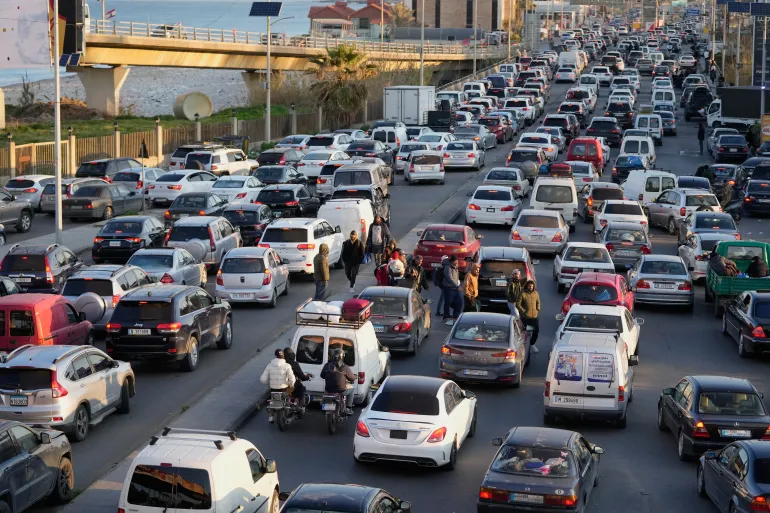
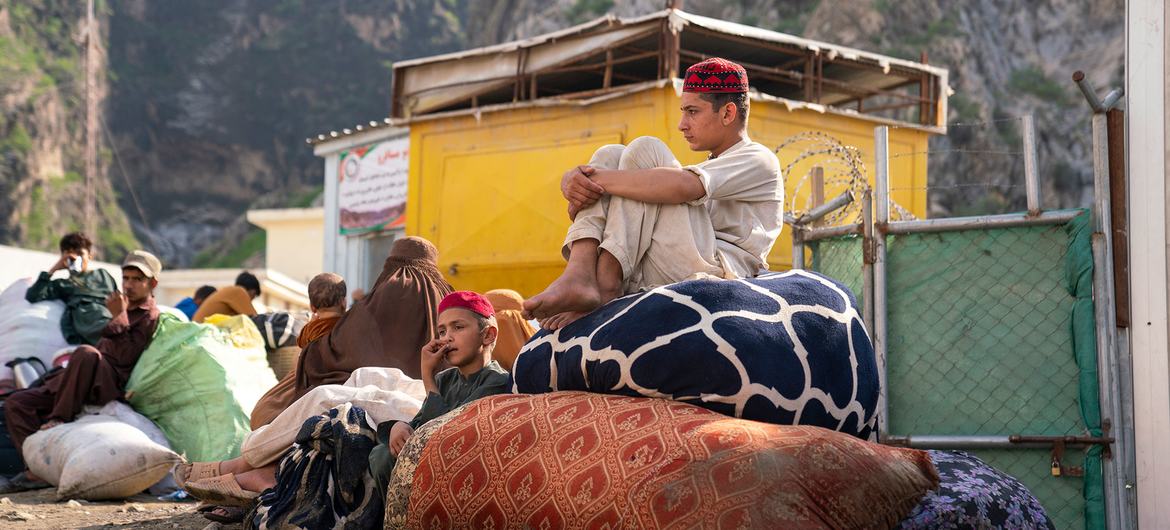
Recurring disruptions at key crossing points along the Pakistan–Afghanistan border, amid heightened security tensions, have directly affected civilian movement and trade flows, while also impacting supply routes linked to essential humanitarian needs. According to the joint update issued by the United Nations High Commissioner for Refugees (UNHCR) and the International Organization for Migration (IOM), 99,618 individuals returned from Pakistan to Afghanistan between 1 January and 7 February 2026. Of these, 22,314 returns occurred within a single week (1–7 February), including 2,131 deportations/forced returns. Cumulative data from 15 September 2023 to 7 February 2026 indicate that more than 2,031,555 individuals have returned, reflecting an accelerated pace of cross-border movement in recent weeks. These figures gain further significance considering that, according to UNHCR, Pakistan was hosting approximately 1.6 million registered Afghan refugees and asylum-seekers, in addition to more than 1.5 million Afghans under various legal statuses at the beginning of 2025. This underscores the depth of demographic and social interlinkages between the two countries, where any shift in border movement patterns directly affects hundreds of thousands of families.
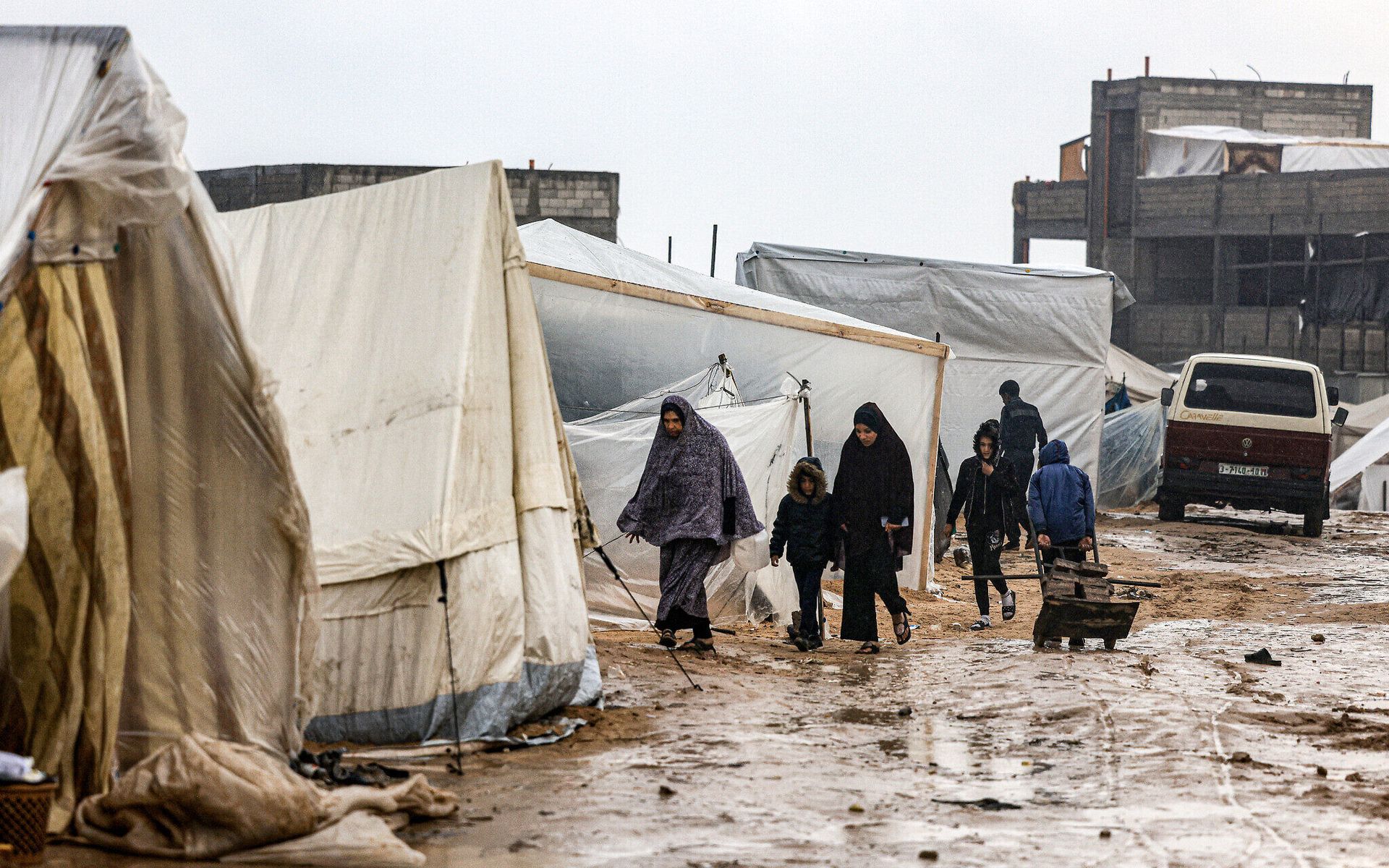
From a humanitarian perspective, accelerated return movements and border disruptions are placing increasing pressure on reception areas inside Afghanistan, particularly in relation to temporary shelter, basic health services, access to water and sanitation, and growing psychosocial support needs. Risks related to loss of documentation and family separation are also heightened, further increasing the vulnerability of women and children. At the local economic level, interruptions to cross-border trade are affecting supply chains and commodity prices in border communities, potentially exacerbating poverty levels and increasing the likelihood of secondary displacement.
In light of these developments, current trends suggest that managing return and displacement dynamics in border contexts can no longer be treated as a short-term emergency response issue. Rather, it has become a complex, multi-layered process requiring a comprehensive and coordinated approach:
First, rapidly rising weekly figures require real-time monitoring and analytical mechanisms capable of linking border movement data with reception capacity in areas of arrival, allowing for anticipation of pressure surges before they escalate.
Second, local actors in return areas bear the primary responsibility for registration, temporary shelter, and referrals to health and protection services. Strengthening their operational capacity is therefore critical to preventing returns from evolving into a protracted humanitarian crisis.
Third, the economic dimension emerges as a compounding vulnerability factor. Trade disruptions erode household income sources, potentially prompting families to move again in search of alternative livelihoods.
Finally, linking immediate response interventions with early recovery and livelihood support remains essential to reducing the risk of repeated displacement and ensuring that responses uphold human dignity while contributing to medium-term community stability.