Author: Dr. Ola Alkahlout |
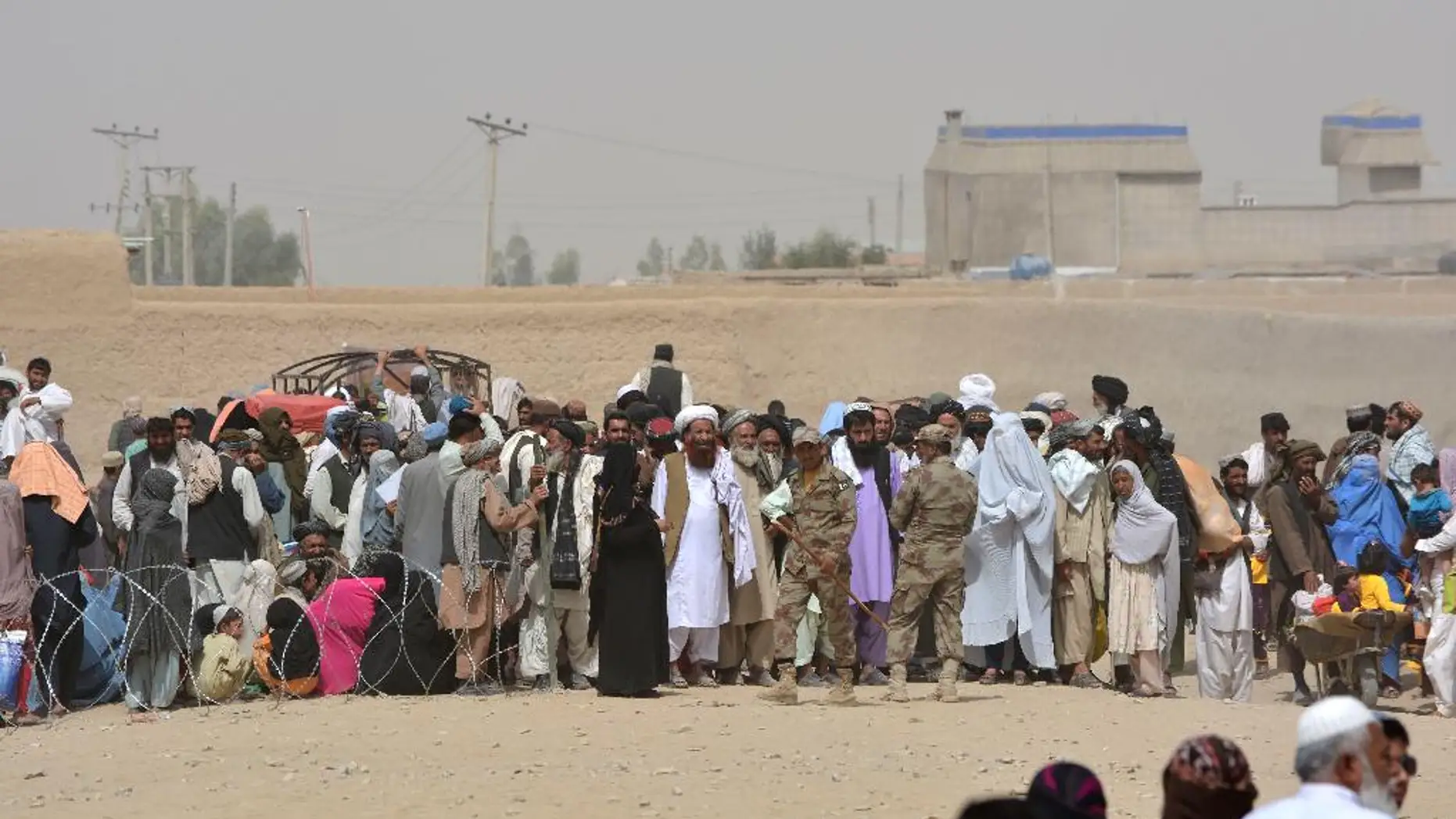
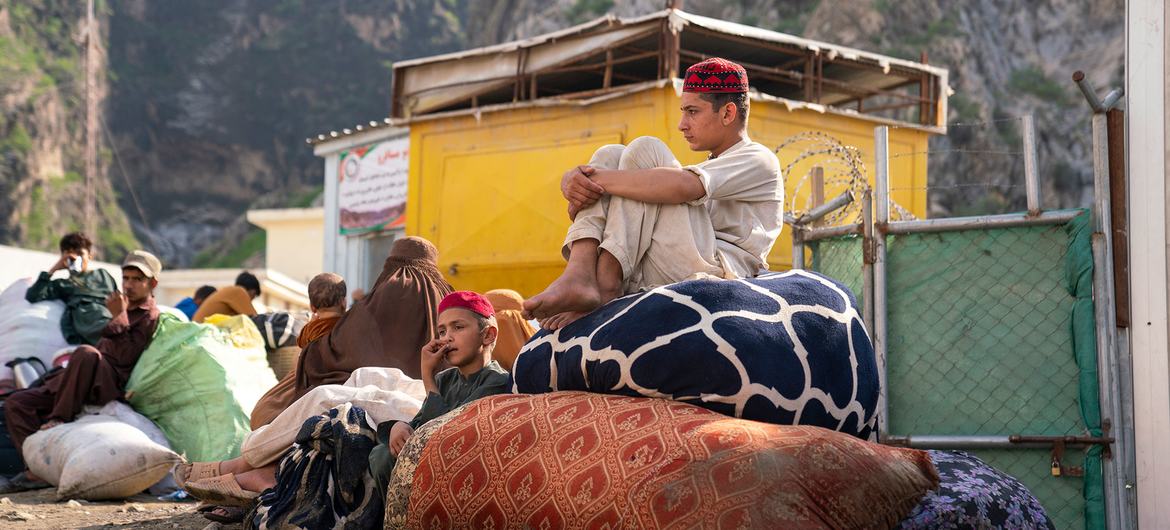
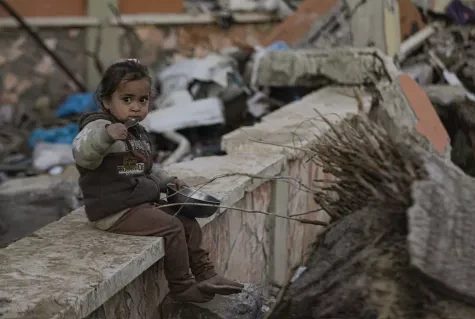
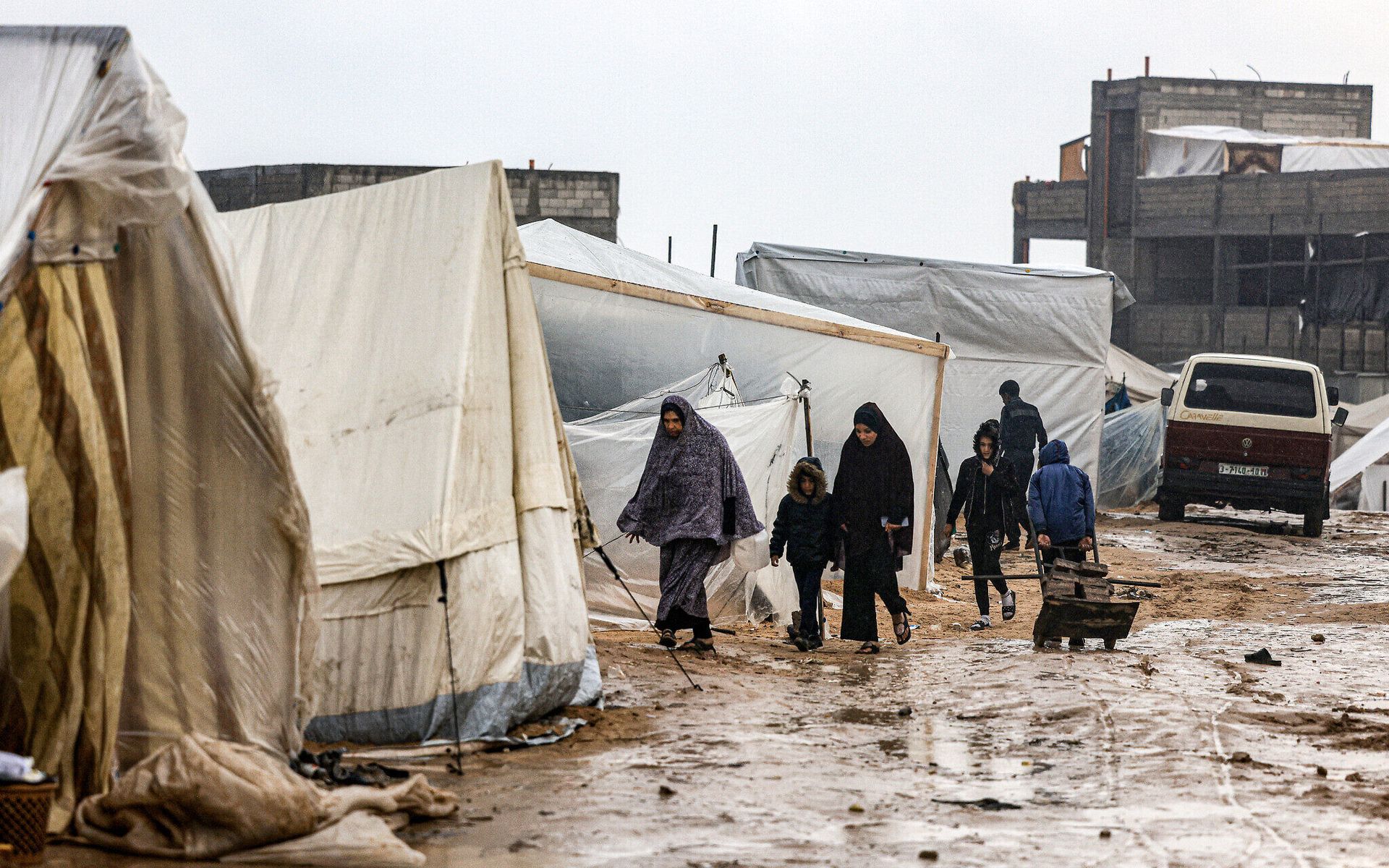
The United Nations High Commissioner for Refugees (UNHCR) reported that more than 30,000 people have been internally displaced from border areas in southern Lebanon following renewed security escalation in recent days. According to UNHCR, displaced families have sought shelter in collective centers, schools converted into temporary shelters, and with host families across South Lebanon and Mount Lebanon.
The United Nations Office for the Coordination of Humanitarian Affairs (OCHA) indicated that municipalities are facing increasing pressure on essential services, particularly in water, sanitation, and shelter support, amid Lebanon’s already fragile economic context. The World Health Organization (WHO) further noted that overcrowding in some shelters may heighten the risk of respiratory and communicable diseases, while access to chronic medication and routine healthcare remains limited for vulnerable groups, including the elderly and individuals with pre-existing conditions.
Urgent humanitarian needs identified by UN and field reports include:
Emergency shelter support (mattresses, blankets, non-food items)
Safe drinking water and reinforced sanitation services
Primary healthcare services and provision of chronic medications
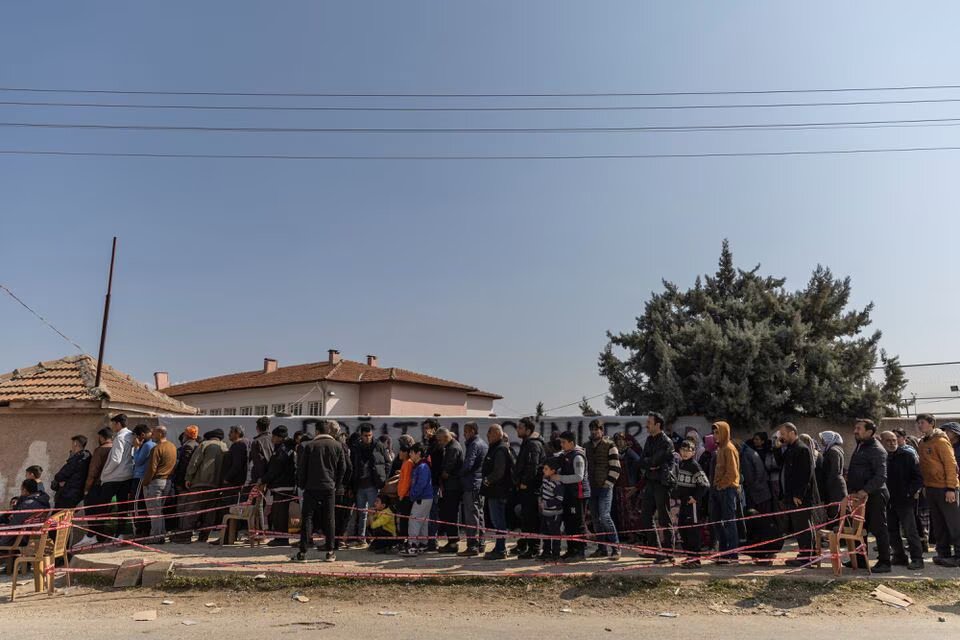
Emergency food assistance for displaced households
Psychosocial support services, particularly for women and children
Temporary educational support for displaced students
Multi-purpose cash assistance to cover essential household needs
Lebanon has experienced similar waves of internal displacement during previous periods of border tensions in 2023 and 2024, when tens of thousands were displaced before gradual returns occurred following relative calm. However, repeated displacement within short timeframes significantly strains household coping capacities and places cumulative pressure on host communities and local services.
The current situation reflects a recurring pattern of internal displacement linked to security volatility, presenting a dual challenge: addressing immediate humanitarian needs while simultaneously reinforcing the resilience of host communities to prevent service breakdown. Should tensions persist, further displacement remains possible, underscoring the need for continuous data monitoring and strengthened coordination among humanitarian actors to ensure a timely, balanced response and to mitigate the risk of a protracted humanitarian crisis.