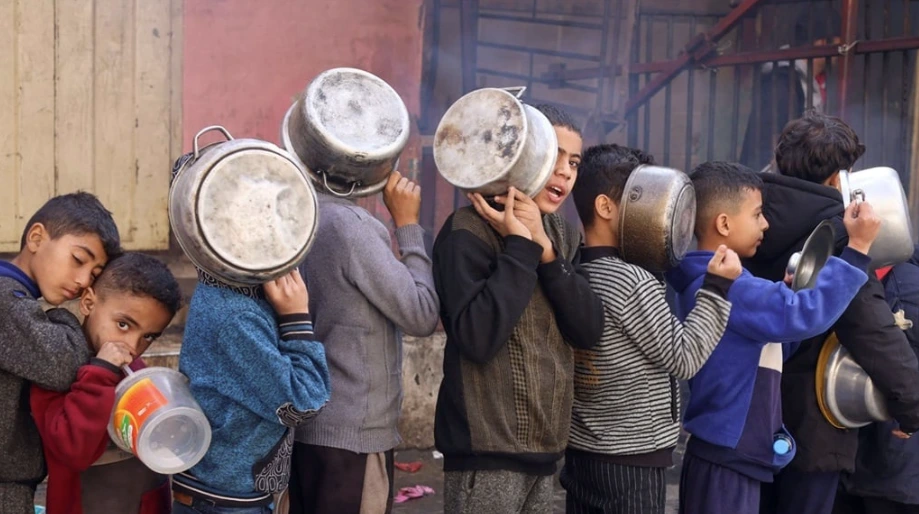
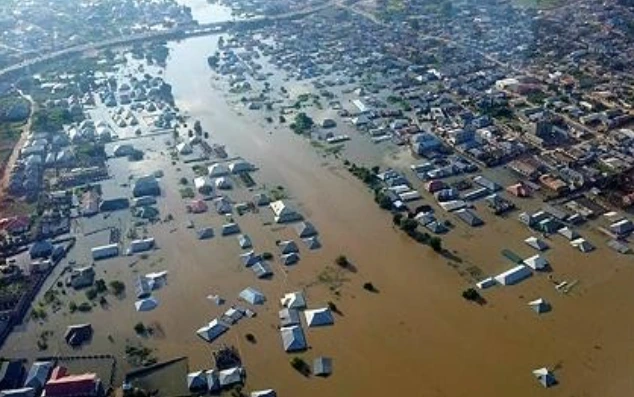
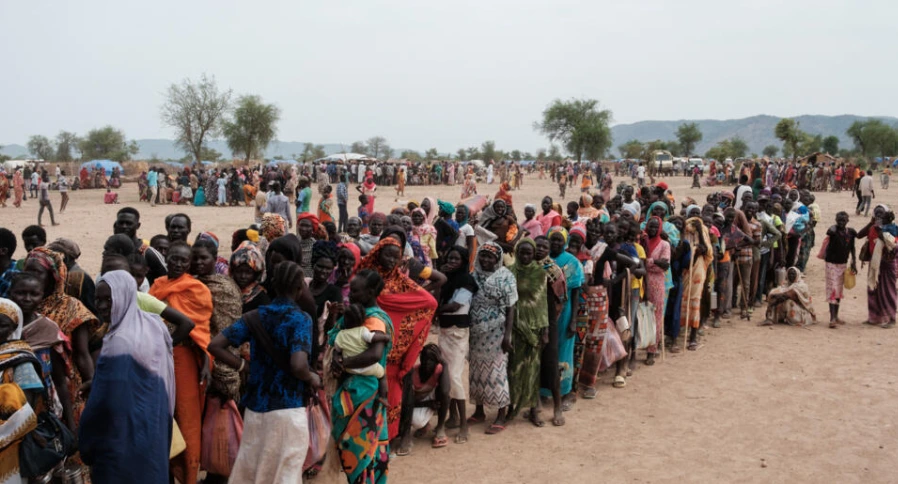
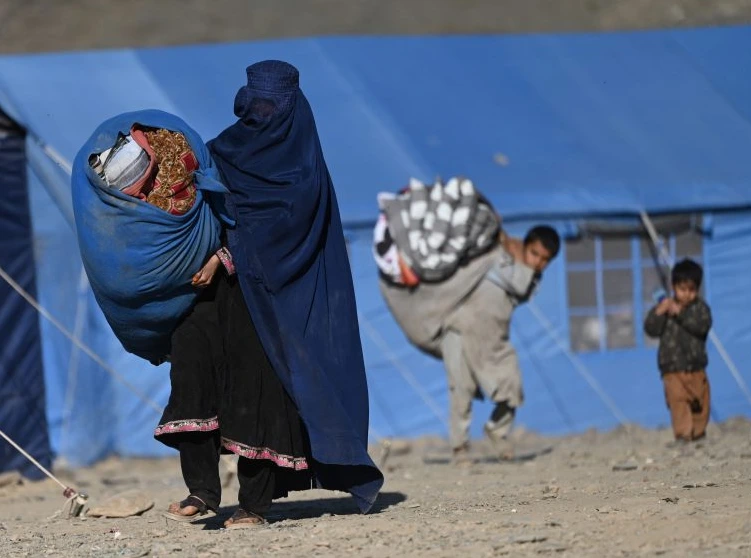
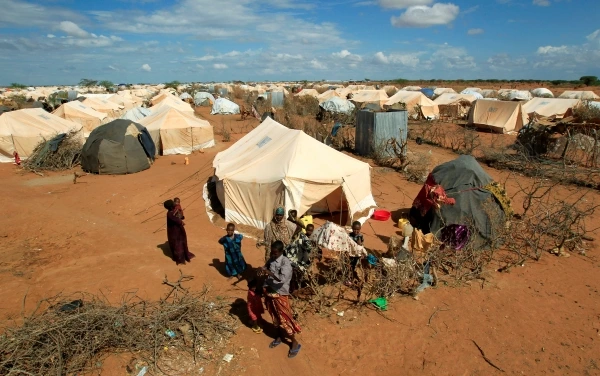
The contemporary world is witnessing a noticeable increase in the number and complexity of humanitarian crises, whether driven by armed conflicts, natural disasters, or recurring emergency situations. These crises have resulted in widespread human suffering, manifested in forced displacement, food insecurity, deteriorating basic services, and threats to the lives of millions of civilians worldwide. Within this reality, the international humanitarian system is operating in an environment marked by escalating challenges, protracted crises, and increasingly interconnected risks. This has widened the gap between humanitarian needs and available resources, placing mounting pressure on humanitarian actors at both operational and financial levels. In this context, global events and initiatives have emerged as critical tools for keeping humanitarian issues at the forefront of the international agenda, preventing them from being overshadowed by competing political and economic priorities, while also strengthening global awareness of humanitarian suffering and reinforcing values of solidarity and shared responsibility toward affected civilians, regardless of their geographic or political contexts.
From Symbolic Solidarity to Platforms for Mobilization and Multilateral Coordination
Global events and initiatives are no longer merely symbolic expressions of solidarity; they have evolved into practical platforms for dialogue and coordination among governments, international organizations, civil society, and the private sector. Through these platforms, financial and human resources are mobilized, and multi-stakeholder partnerships are strengthened, forming a cornerstone of effective humanitarian response. These events also play a crucial role in drawing attention to underreported or “forgotten” crises that receive limited international media coverage, while supporting advocacy efforts aimed at protecting civilians and upholding international humanitarian law. In addition, they contribute to enhanced accountability and transparency by tracking international commitments and assessing the impact of humanitarian interventions. International solidarity remains a foundational principle of humanitarian action, rooted in the concept of shared responsibility in the face of human suffering wherever it occurs. Global initiatives embody this principle through collective commitments to protect lives, preserve human dignity, and support affected populations, thereby reinforcing rapid response efforts and providing essential assistance to communities during critical moments.
Challenges Facing Global Initiatives and the Need for Data-Driven, Localized Response
Despite their vital role, global humanitarian initiatives face a range of challenges, including declining international attention to protracted crises, the politicization of humanitarian issues, and the persistent gap between available resources and growing needs. In some cases, initiatives also struggle to translate public commitments into tangible, field-level actions. Addressing these challenges requires stronger coordination among humanitarian actors, sustained international support, and the development of innovative resource mobilization mechanisms that improve the effectiveness of interventions. These initiatives also present an opportunity to rethink humanitarian approaches, moving beyond short-term emergency responses toward more comprehensive and sustainable strategies that strengthen the role of local communities, support context-sensitive solutions, and build resilience against future crises. This shift demands long-term international engagement that links humanitarian action with conflict prevention, early recovery, and sustainable development efforts.
From a strategic analytical perspective, the effectiveness of such initiatives is not determined solely by the scale of pledges or the number of participants, but by their ability to convert political and media solidarity into practical, field-oriented interventions grounded in accurate data and continuous situational analysis. The central challenge lies in ensuring that international commitments translate into responses targeted at the most vulnerable areas, and that resources are allocated according to evidence-based priorities, reducing response gaps and improving the overall impact of humanitarian operations. Within this framework, empowering local organizations becomes essential, given their proximity to affected communities and their capacity for rapid response in complex environments. At the same time, investment in monitoring and analytical systems is a decisive factor in improving humanitarian decision-making, reducing duplication, and increasing the effectiveness of interventions. This perspective aligns with the Relief Center’s vision of building a more coordinated, data-driven humanitarian ecosystem that prioritizes analysis, strengthens local actors, and directs resources toward the most impactful and sustainable responses.