Auther: Muharam Almahmodi |
Yemen continues in 2026 to face one of the most complex humanitarian crises in the world. Ongoing armed conflict, economic collapse, political fragmentation, and declining international humanitarian funding continue to drive widespread human suffering across the country. United Nations estimates indicate that 22.3 million people will require humanitarian assistance in 2026, representing nearly two-thirds of the country’s population. These figures highlight the continuing deterioration of living conditions across multiple sectors, particularly food security, health services, and livelihoods.
Escalating Food Security Crisis
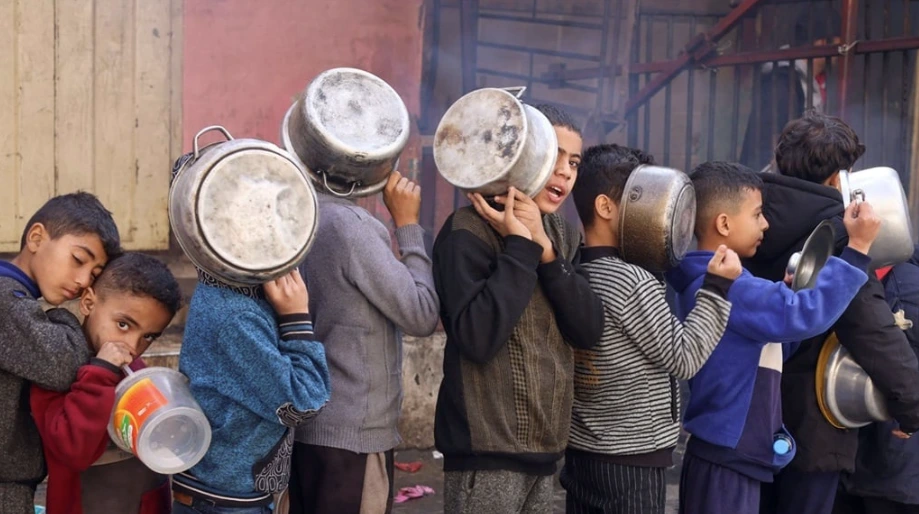
Food insecurity remains one of the most critical dimensions of Yemen’s humanitarian crisis. According to the World Food Programme (WFP) report for February 2026, 63% of households across Yemen struggle to meet their minimum food needs, while 36% face severe food deprivation. Overall, an estimated 18 million people are experiencing acute levels of food insecurity. The deterioration has been particularly evident in governorates such as Marib, Aden, and Hajjah, where economic pressures and rising living costs have significantly reduced households’ purchasing power.
In areas under the control of the Sana’a authorities, economic constraints, liquidity shortages, and increased taxation have contributed to rising food prices. Reports from January 2026 indicate an annual increase of 6% in vegetable oil prices and 2% in wheat flour prices in Sana’a. By contrast, areas under the internationally recognized government have experienced relative exchange rate stability. By the end of January 2026, the Yemeni rial averaged approximately 1,616 YER per US dollar, contributing to relatively stable food and fuel prices compared to the previous year.
Food imports through Red Sea ports have increased significantly since October 2025, reaching their highest levels in nine years by January 2026. This rise appears partly driven by traders increasing reserves in anticipation of potential supply disruptions, as well as preparations for increased demand during the Ramadan season.
However, fuel imports remain well below average, with levels 65% lower at Red Sea ports and 27% lower at government-controlled ports, contributing to increased transportation costs and disruptions to essential services. Due to severe funding shortages, the World Food Programme was forced in early February 2026 to reduce the number of beneficiaries under its Targeted Emergency Food Assistance (TEFA) programme from 3.4 million people to 1.7 million in government-controlled areas.
Ongoing Internal Displacement
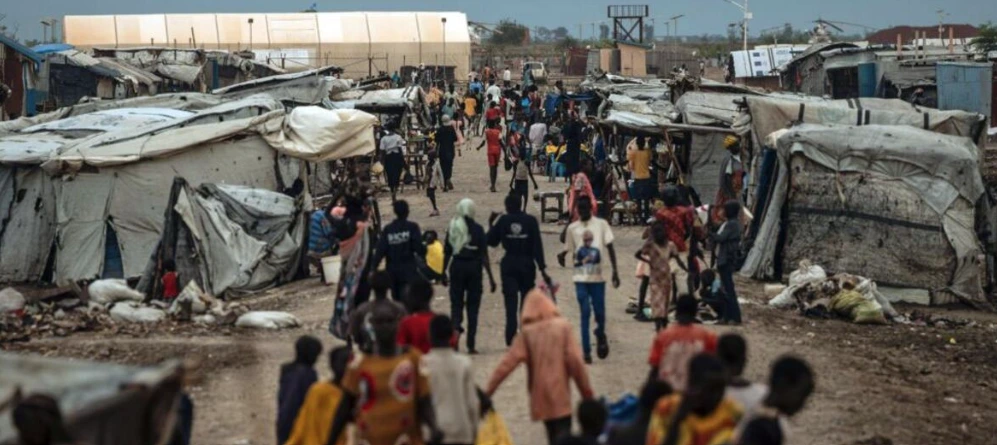
Internal displacement continues in Yemen, although at a lower pace compared to previous years. Data from the International Organization for Migration (IOM) Displacement Tracking Matrix show that 733 households (4,398 individuals) were displaced between 1 January and 28 February 2026. Marib governorate received the largest number of newly displaced households, followed by Hadramout. Approximately 95% of displacement cases are attributed to economic conditions linked to the conflict, with food and shelter remaining the primary needs among displaced populations.
Fragile Health System
Yemen’s health sector continues to face severe structural challenges. Currently, less than 60% of health facilities are fully functional, limiting access to essential healthcare services for millions of people. This fragile health system increases the risk of outbreaks of communicable diseases such as cholera, malaria, and dengue fever. Fuel shortages also significantly affect the ability of hospitals and health centers to operate medical equipment and maintain essential services. In February 2026, the World Health Organization classified the health emergency in Yemen as a Grade 3 emergency, the highest level of emergency activation within the organization.
Humanitarian Response Efforts
Despite these challenges, humanitarian organizations continue to implement relief programmes to support affected populations. The King Salman Humanitarian Aid and Relief Centre (KSrelief) has continued to provide food assistance, water support, and medical services across several governorates. In February 2026, the centre distributed over 23,000 cartons of dates in Hadramout, operated mobile medical clinics in Hajjah governorate, and pumped 1.435 million liters of water in Al-Khokha district in Al-
Meanwhile, UNICEF announced in February 2026 a humanitarian campaign aimed at addressing severe child malnutrition in crisis-affected regions, including Yemen. Qatar Charity has also continued implementing humanitarian programmes in Yemen, reaching approximately 132,000 beneficiaries in 2025 through projects focused on food security, health services, and social support.
Funding Gap
A major challenge facing humanitarian operations in Yemen remains the severe funding gap. The Humanitarian Response Plan for 2025 received only 27.8% of its required funding, significantly limiting the capacity of humanitarian organizations to sustain life-saving programmes. Limited Positive Development
In a positive development, the authorities in Sana’a approved in February 2026 the resumption of United Nations humanitarian air transport flights, facilitating the movement of humanitarian personnel and essential supplies to areas in need.
Humanitarian Implications
Current humanitarian indicators in Yemen demonstrate the persistence of one of the world’s largest humanitarian crises. The combined effects of conflict, economic collapse, and declining international funding continue to deepen humanitarian needs for millions of Yemenis. These developments underscore the importance of strengthening international humanitarian support, improving coordination mechanisms, and expanding access to reliable humanitarian data and analysis to support more effective crisis response efforts.