A Reliable Knowledge Base for a Deeper Understanding of Humanitarian Work

Written Knowledge

This section brings together a curated selection of books, articles, and specialized reports in the humanitarian field, prepared or reviewed by experts to ensure quality and accuracy, alongside the analytical reports and specialized studies published regularly by the Relief Center. Here, you can explore a rich collection of policy papers, analytical studies, and opinion pieces, categorized by type, theme, or language. These resources help you build a deeper understanding of humanitarian contexts and support your professional decisions with solid, evidence-based knowledge.

There are: 50 items
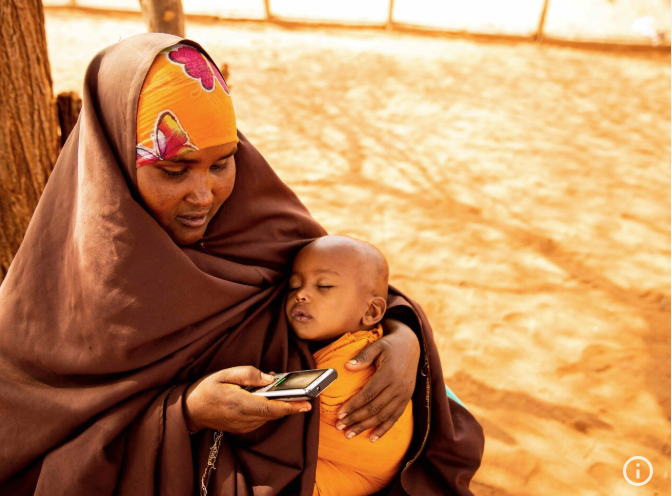
Cash-Based Transfers Field Manual (CBT Manual)
2021

This field manual constitutes a comprehensive, normative operational reference document, specifically designed to guide the design, management, and implementation of cash transfer programmes within complex humanitarian environments and emergencies. It provides a detailed methodological framework covering the entire value chain of cash-based interventions, from preliminary assessment and contextual analysis phases, through pivotal operational steps. These steps include: analyzing and identifying the most appropriate and cost-effective cash transfer mechanisms (such as direct cash, mobile money, smart cards, or e-vouchers); establishing and implementing transparent and accurate systems for beneficiary registration, identification, and vetting according to rigorous targeting criteria; and proactive risk management concerning security, financial integrity, data protection, and beneficiary safeguarding. The manual also elucidates methodologies for forging effective strategic partnerships with financial service providers, banking institutions, and technical entities, providing clear models for service level agreements and contractual controls. Furthermore, it defines systematic frameworks and mechanisms for continuous monitoring, follow-up, and final evaluation of programme impact, with a focus on key performance indicators, alongside detailing compliance, oversight, and audit procedures to ensure adherence to internal regulations, donor policies, and global humanitarian standards such as the SPHERE standards and CALP Network guidelines. This manual is primarily intended for World Food Programme field teams and implementing partner organizations, serving as a unifying tool to ensure operational consistency, technical efficiency, and enhanced accountability in the delivery of cash assistance, thereby contributing to a humanitarian response characterized by safety, timeliness, effectiveness, and respect for beneficiary dignity.

Exporter: World Food Programme (WFP)
Last Update: 11/11/2025
Humanitarian Programme Cycle (HPC) Reference Module
2021

This guidance manual constitutes a pivotal reference document and a comprehensive normative framework, designed to steer humanitarian practitioners through the sequential and interconnected phases of the Humanitarian Program Cycle (HPC). This cycle serves as an organized procedural model, encompassing five core and integrated stages: it commences with an in-depth needs assessment to identify critical gaps, followed by evidence- and priority-based strategic planning, then advances to the process of resource mobilization and donor funding, subsequently moves to the effective implementation of field programs and projects, and concludes with systematic monitoring, follow-up, and evaluation processes to measure impact and derive lessons learned. This manual primarily targets sector/cluster coordinators, specialized United Nations agencies, and local and international non-governmental organizations. It functions as a unifying coordination tool aimed at ensuring the integration of efforts and facilitating a coordinated, effective, and quality-and-accountability-principled humanitarian response within the context of complex crises and emergency situations.

Exporter: OCHA (UN Office for the Coordination of Humanitarian Affairs)
Last Update: 11/11/2025
Humanitarian Needs Overview (HNO) Guidance
2022

This reference guide establishes a systematic and standardized analytical framework for developing comprehensive humanitarian needs assessments. It provides structured, sequential protocols designed to foster an in-depth understanding of crisis scope, nature, and impacts on affected populations. The framework empowers practitioners through advanced methodologies for measuring and classifying needs severity across various sectors (such as food, health, and shelter), determining the geographic and demographic extent of these needs, and producing precise demographic estimates of the affected population size requiring humanitarian intervention.
Furthermore, it adopts an integrated, multi-sectoral analytical approach that interlinks different needs to construct a holistic picture of the humanitarian situation. This includes revealing sectoral interdependencies and causal relationships. This comprehensive analysis serves as the cornerstone for strategic response planning, furnishing decision-makers with data-driven evidence to establish priorities, allocate resources effectively, and formulate targeted, coherent response strategies that address the core needs of the most vulnerable communities.

Exporter: OCHA (UN Office for the Coordination of Humanitarian Affairs)
Last Update: 11/11/2025
Humanitarian Response Monitoring (HRM) Guidance
2016

This reference guide establishes a comprehensive and systematic framework for the routine monitoring and evaluation of Humanitarian Response Plan performance within the structured Humanitarian Programme Cycle. The framework functions as an integrated operational architecture designed to measure quantitative and qualitative progress toward achieving the plan's stated strategic outcomes and objectives. It concurrently monitors and assesses the precision and effectiveness of aid delivery in reaching intended beneficiary populations in accordance with humanitarian standards. Furthermore, it facilitates an in-depth analysis of operational performance to identify gaps, bottlenecks, and challenges impeding programme and project implementation.
The guide encompasses a fully integrated operational system, including: a clear, tiered structure of indicators (spanning core, output, and outcome indicators); standardized methodological tools for data collection and management systems; and precise delineation of roles and responsibilities among monitoring and evaluation teams across different operational levels (individual project level, sector/cluster level, and overall plan coordination level).
This framework is employed institutionally as the methodological foundation for producing periodic monitoring and evaluation reports-such as situation reports, sectoral reports, and consolidated updates. Its outputs provide the analytical data and evidence required to inform evidence-based decision-making at all levels and support the processes of continuous planning and programmatic adaptation.

Exporter: IASC & OCHA
Last Update: 11/11/2025
Humanitarian Information Management (IM) Toolbox
2025

The Information Management (IM) Tool developed by the United Nations Office for the Coordination of Humanitarian Affairs represents an integrated and systematic suite of standardized templates, operational protocols, and digital resources. It is specifically engineered to enable and enhance the complete information management cycle within humanitarian response contexts.
The tool focuses on supporting core processes, including the systematic collection of data from diverse sources, its analytical processing and refinement into actionable information, secure storage, and effective, timely dissemination through multiple channels and formats. This is achieved by leveraging powerful visual and analytical mediums such as interactive spatio-temporal maps, dynamic dashboards, and automated reporting systems, which translate complex datasets into intelligible formats.
The strategic objective of this toolkit is to establish a unified and reliable information ecosystem. It empowers decision-makers at all levels (field, country, and global) to make precise, timely tactical and strategic decisions based on objective evidence and data, rather than estimations or intuition. This evidence-based approach ultimately aims to optimize resource allocation, improve the coordination of interventions, and enhance the overall effectiveness and impact of humanitarian operations.

Exporter: OCHA
Last Update: 11/11/2025
Cluster Coordination Performance Monitoring (CCPM) Framework
2023

The Cluster Coordination Performance Monitoring (CCPM) Framework constitutes an institutional and standardized assessment mechanism developed by the Inter-Agency Standing Committee to analyze the effectiveness and performance of cluster-based coordination systems within humanitarian operational contexts. The framework employs a periodic and participatory evaluation methodology, wherein the annual review process is conducted through extensive consultation with key stakeholders. These include Cluster Lead Agencies, member agencies, national and international non-governmental organizations, host authorities, and affected populations themselves.
This systematic process facilitates a diagnostic assessment of existing coordination strengths and documented best practices, alongside the identification of systemic gaps and operational or structural challenges. The resultant analysis aims to generate evidence-based findings to inform strategic decision-making and guide the development of measurable action plans. The framework's ultimate purpose is to enable a sustainable and iterative process of performance improvement for humanitarian coordination, thereby enhancing its overall effectiveness, accountability, and responsiveness in serving affected populations.

Exporter: IASC
Last Update: 11/11/2025
UN Security Management System (UNSMS) Manual
2020

The United Nations Security Management System (UNSMS) Manual constitutes the official and normative institutional framework governing the safety and security of all United Nations system personnel operating in the field or implementation sites. Transcending a mere collection of guidelines, it provides a comprehensive, systematic, and dynamic management structure built upon several integrated pillars. These encompass a rigorous methodology for ongoing security and contextual risk analysis and threat assessment; formalized processes for the development, activation, and implementation of emergency response and contingency plans (e.g., evacuation, crisis, and missing persons plans); and a clear set of security operational standards and standard operating procedures regulating all aspects of staff movement, residence, communications, and daily work routines.
The system's overarching objective is to reconcile the paramount principle of the duty of care to ensure staff safety with the operational imperatives of effectively implementing UN mandates and programmes in high-risk environments. It further ensures organizational adherence to relevant international legal frameworks and overarching policies.

Exporter: UNDSS
Last Update: 11/11/2025
Field Logistics Operations Guide
2019

The Field Logistics Guide constitutes a comprehensive and integrated procedural tool within the Logistics Cluster's suite of resources. It is engineered to serve as a strategic operational reference designed to systematize and enhance the efficacy of supply chain management throughout humanitarian response cycles. The guide aims to support practitioners by providing a systematic framework for managing all critical logistical functions. These encompass: proactive needs planning and forecasting; end-to-end warehousing governance (including goods receipt, storage, inventory control, and dispatch); and the orchestration of multi-modal transportation operations (overland, maritime, and air), inclusive of associated customs clearance procedures and risk mitigation strategies.
A defining feature of the guide is its deliberate alignment of all stipulated procedures and recommendations with globally recognized humanitarian principles and standards. This ensures the pursuit of operational efficiency without compromising the foundational tenets of humanitarian action, such as neutrality, integrity, and accountability to affected populations. Consequently, the manual not only facilitates the timely delivery of assistance but also contributes to improving overall response quality, ensuring transparency, and optimizing the use of scarce resources within complex operational environments.

Exporter: Global Logistics Cluster
Last Update: 11/11/2025
UN CMCoord Field Handbook
2010

The United Nations Civil-Military Coordination (UN CMCoord) Manual stands as a definitive and normative reference document. It is architected as a comprehensive strategic and operational framework designed to structure the interaction and collaboration between civilian actors (primarily humanitarian organizations) and military actors (primarily national and international armed forces) in the contexts of natural disasters, complex humanitarian emergencies, and armed conflicts.
The manual transcends a mere theoretical justification for such coordination; it provides a structured operational model. It clarifies foundational concepts (such as coexistence, interaction, and the delineation of roles), establishes the governing humanitarian principles (neutrality, independence, humanity, and impartiality), and outlines specific procedures for joint planning, information sharing, and the management of military asset support requests. Furthermore, through analytical case studies and field-derived evidence, the manual systematically documents best practices distilled from prior operations and formally defines the roles and responsibilities of Civil-Military Coordination (CMCoord) officers and units. Its ultimate objective is to facilitate a coherent and effective response that saves lives and alleviates suffering, while simultaneously safeguarding core humanitarian principles, protecting the humanitarian space, and preventing any confusion or competition that could harm civilians and undermine the efficacy of relief efforts.

Exporter: United Nations (UN OCHA – CMCoord Unit)
Last Update: 11/11/2025
Oxfam Public Health Engineering in Emergency Programmes
2024

This entry examines Oxfam’s technical specialization in public health engineering within emergency response contexts, with particular emphasis on essential infrastructure components, including water supply systems, sanitation networks, solid waste management, and the design of hygiene-related facilities. The guidance has functioned as a principal technical reference for WASH (Water, Sanitation, and Hygiene) engineers working in resource-constrained and high-risk humanitarian environments. It integrates rigorous technical standards with contextual socio-environmental realities to support the development of sustainable, context-appropriate interventions that safeguard public health and mitigate the risk of communicable disease outbreaks. Furthermore, the framework promotes participatory community engagement throughout the decision-making, design, and implementation phases, thereby strengthening alignment with hygiene promotion strategies and broader community mobilization initiatives.

Exporter: Oxfam
Last Update: 11/11/2025